Poker money management is not glamorous, but it is what keeps a normal downswing from becoming a financial problem. A player can understand odds, ranges and table dynamics and still go broke if their bankroll system is weak.
This hub collects the most useful Poker Stack guides for bankroll management, poker tracking, tournament risk, live-session records and practical money rules.
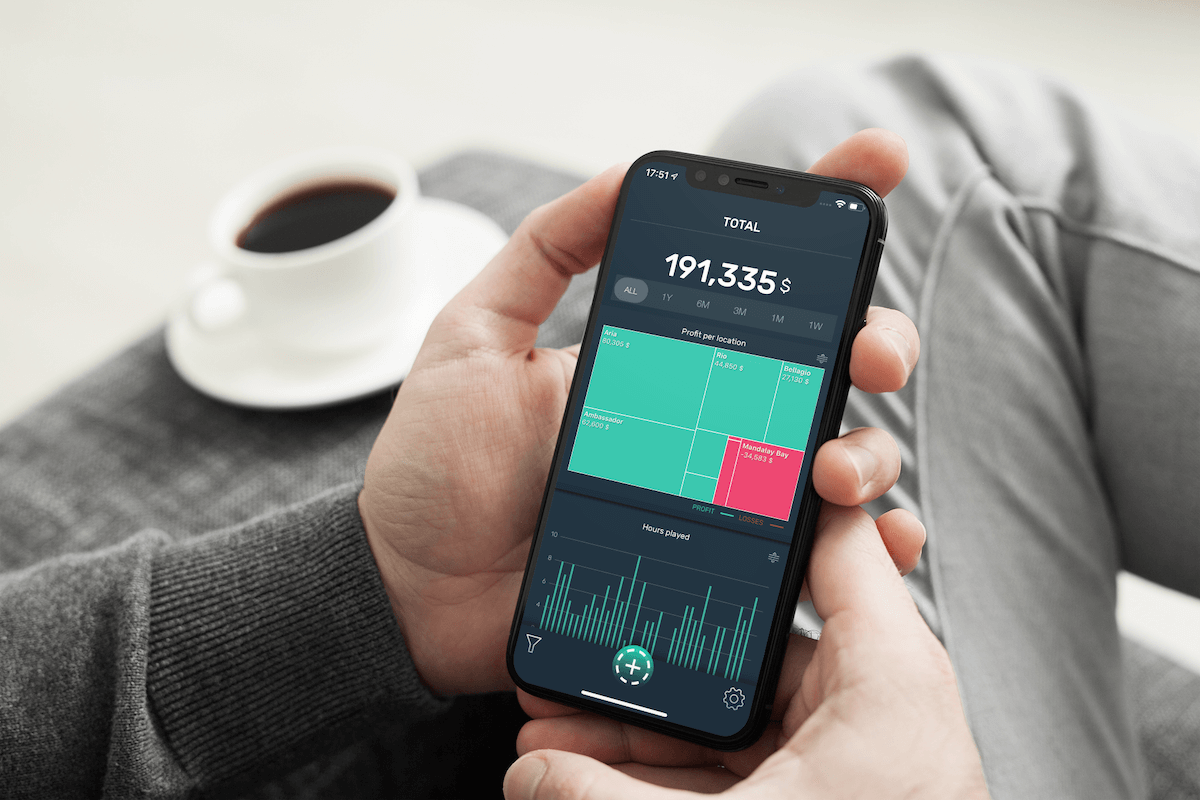
Track your own results: The Poker bankroll tracker app guide explains what Poker Stack records, when an app beats a spreadsheet, and how to review sessions with less guesswork.
Start with the core bankroll system
Before you worry about advanced tools, build the basic system: one bankroll, one record of sessions, clear stakes, move-down rules and honest reviews. Your poker bankroll should not be mixed with rent, savings or daily spending money.


Track sessions before trusting your memory
Most poker players remember big wins, painful coolers and dramatic hands. That is not enough. Financial management needs boring records: date, stakes, game type, buy-ins, cash-out, hours, location and notes.

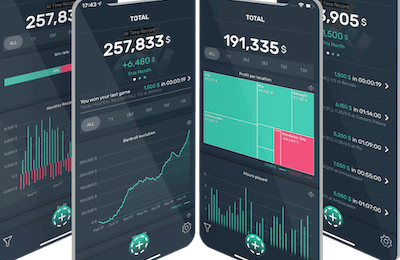


Track your poker money before you move up
Session history, bankroll trends and game notes in one place.


Control variance, stop-losses and stakes
Good poker financial management is mostly about protecting decision quality. If the stakes are too high, every pot feels heavier. If there is no stop-loss, frustration can turn into a second bad session after the first one is already over.



Separate live, online, cash and tournaments
One blended bankroll number can hide problems. Live poker, online poker, cash games and tournaments have different pace, rake, expenses and variance. Track them separately so you know which games are helping your bankroll and which ones are draining it.



Financial management checklist for poker players
- Keep poker bankroll and personal money separate.
- Track every session, not just big wins and painful losses.
- Set cash-game and tournament bankroll rules before you play.
- Move down before the bankroll is under real pressure.
- Use stop-loss and stop-win rules to protect decision quality.
- Review live and online poker separately.
- Include travel, tips, fees and subscriptions in your real results.
Related questions about poker money management
What is poker money management?
Poker money management is the system you use to protect your bankroll, choose stakes, track sessions, handle downswings and avoid mixing poker money with life money.
How do you manage a poker bankroll?
Separate your bankroll, play stakes your bankroll can handle, track every session, set stop-loss rules and review results before moving up.
Why is bankroll management important in poker?
Poker has variance. Bankroll management keeps a normal downswing from forcing bad decisions or creating personal financial stress.
Check out our blog for more poker articles.
Download Poker Stack Now
Download Poker Stack from the App Store and start tracking your sessions today.
Do you enjoy playing a lot of poker? This app is made for you.