Christmas can be a good time for poker, but the best holiday games are social first. A family table, a friendly home game or a small online private game should feel easy to join, easy to leave and clear about money from the start.
This guide covers the practical parts: which poker games work well at Christmas, how to keep beginners comfortable, when online poker makes sense, and how to avoid turning a holiday game into a bankroll problem.

Why poker works well at Christmas
Poker gives people something to do together after dinner, between family visits or during a quiet evening at home. It also scales well. You can play for pennies, chips, small prizes or nothing at all.
The key is to match the game to the group. A serious cash game is not the right fit for guests who barely know the rules. A simple low-stakes game or a small sit-and-go format usually works better.
Choose a format before people sit down
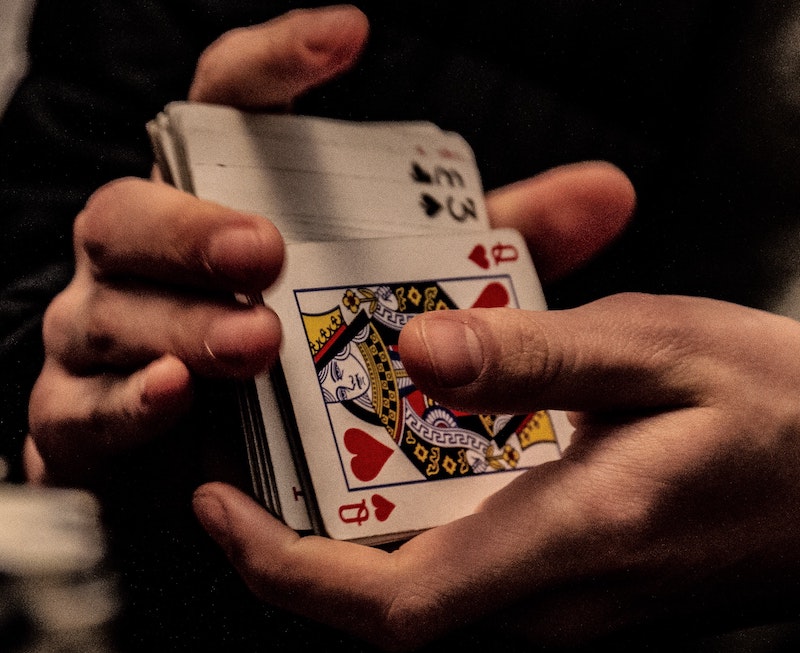
Agree on the format before cards are dealt. That avoids awkward rule debates once money or prizes are in the pot.
Texas Hold'em
Texas Hold'em is the easiest choice when most players already know poker. It works for a low-stakes cash game, a one-table tournament or a simple winner-takes-small-prize game.
Five Card Draw
Five card draw is better for complete beginners. There are fewer betting rounds, no shared board cards and less table talk about ranges or position. It is a good family-table option.
Play-money or prize games
If the group includes children, total beginners or anyone uncomfortable with gambling, skip cash. Play for chips, chocolate, chores, a small prize or bragging rights. Poker does not need real money to be fun.

Download Poker Stack Now
"PokerStack is THE app you need to have as a live poker player."
Poker.com


Organizing a Christmas poker game
A good holiday game is mostly planning. Decide the format, buy-in, blind levels, rebuys, payout structure and end time before anyone sits down. Write the rules somewhere visible if the group is casual.
Set the stakes first
For a family or friend group, small stakes are usually best. A fixed buy-in, no surprise rebuys and a clear stop time keep the game friendly. If people are learning, start with play chips.
If you want to play serious stakes, do it with people who already play poker and understand the risk. Christmas dinner is not the place to pressure relatives or beginners into a real-money game.
Explain hand rankings before the first hand
New players need the basics before they need strategy. Start with hand rankings, blinds, what a check means, what a raise means and when a hand is over. Our poker hand rankings guide is a useful refresher.
Use online poker only where it is legal
Online private games can work when people are in different places, but site rules and local laws still matter. Use legal rooms, keep stakes modest and make sure everyone understands deposits, withdrawals and account checks before money is involved.

Keep the holiday game friendly
The best Christmas poker game is one people want to play again. That means clear rules, patient explanations and no one feeling trapped in a game they cannot afford.
Do not play serious stakes after drinking
Holiday drinks and serious poker are a bad mix. If people are drinking, keep the game social or play for prizes instead of cash. If you are playing online and know alcohol affects your decisions, do not log in.
Know when to stop
Set a time limit and a money limit before the game starts. It is easy to get loose during the holidays, so keep your bankroll management rules simple. Stop when you hit the limit, even if the table is still fun.
Track real-money results separately
If you play real-money poker over Christmas, log the session like any other. Mark it as a home game, casino game or online game, and note whether it was serious or social. That stops one holiday session from distorting your view of your normal poker results.
FAQ
What is a good poker game to play at Christmas?
Texas Hold'em works well if most players know poker. Five card draw is better for complete beginners because the rules are simpler.
Should a Christmas poker game use real money?
Only if everyone is comfortable and the stakes are small enough to feel social. If guests are new to poker, play for chips, prizes or bragging rights.
How do you keep a holiday poker game friendly?
Agree on the rules, stakes, buy-in, rebuys and end time before the game starts. Keep serious stakes away from alcohol and give beginners a hand-ranking refresher.
Related reading

Poker bankroll management
Set buy-in and stop-loss rules before a casual game becomes expensive. more...