Advanced poker strategy starts with better decisions before the cards are dealt. You need a plan for position, ranges, bet sizing, pot odds, bankroll risk, table selection and review. A solver can help later, but it will not fix bad game selection or loose bankroll habits.
This hub collects the Poker Stack strategy guides worth studying first. Use it as a path: learn the math, build a preflop plan, understand live and online differences, then track your sessions so you can see which ideas are actually improving your results.
Start with the strategy foundation
If your basics are loose, advanced ideas become expensive. Start with position, hand selection, skill versus variance and the difference between live and online poker.

How to get good at poker
Build the base: hand selection, position, review habits, tilt control and realistic study work.

Is poker luck or skill?
Understand variance, gambling risk and why good decisions need a long sample.

Online vs live poker
Pick the format that matches your bankroll, learning style and tolerance for pace.
Study poker math before fancy plays
Most strategy mistakes are math mistakes in disguise. If you do not understand odds, outs and expected value, it is hard to judge calls, bluffs or thin value bets.

Poker probability: odds, outs and pot odds
Learn the draw math behind pot odds, implied odds and better calling decisions.

Poker statistics: odds, outs and HUD stats
Use stats such as VPIP, PFR, outs and session results without fooling yourself.
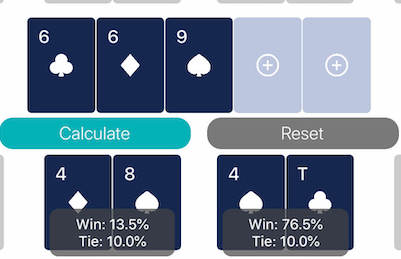
Poker calculators and odds tools
Use calculators for study and review, not as a crutch during live decisions.
Move into GTO, tournaments and live reads
Once the basics are stable, advanced study becomes more useful. Work on baseline ranges, pressure spots, player types and where to deviate from theory.

GTO poker strategy
Learn what game theory optimal play is, where it helps and when to adjust.

Online poker tournament strategy
Study stack sizes, stages, bubble pressure, ICM and final-table decisions.
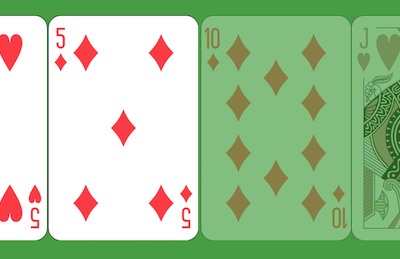
Poker tells: live and online signs
Use tells carefully. Good reads support a decision, they do not replace math.
Protect the bankroll while you improve
A strategy is only useful if you can afford the swings. Track results by format, review mistakes and separate study progress from short-term variance.
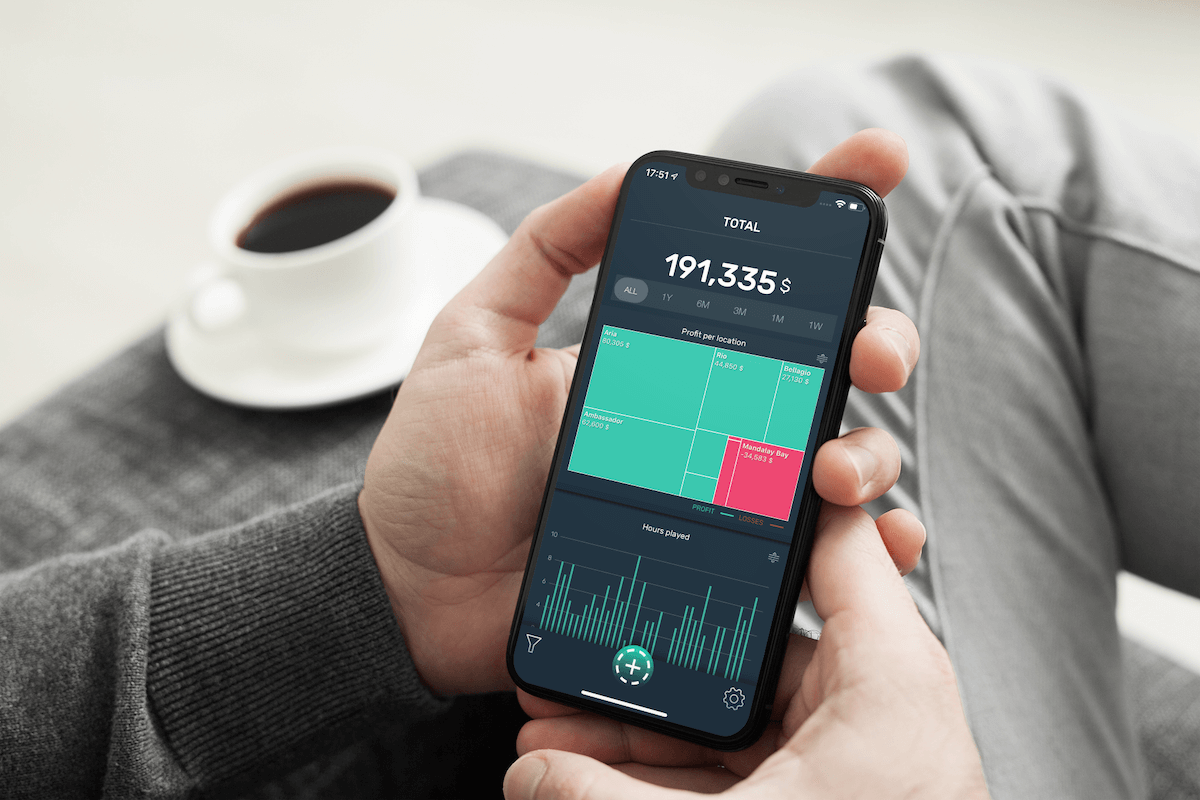
Poker bankroll management
Set cash-game and tournament rules so one bad stretch does not wipe out months of work.

Best poker tracking software
Compare HUDs, bankroll apps and session tracking tools for live and online play.

Old Man Coffee poker strategy
Learn how to adjust against tight-passive live players without paying off obvious strength.
FAQ
What should advanced poker players study first?
Study position, ranges, pot odds, expected value, bet sizing, table selection and bankroll rules first. Solver work is more useful once those basics are stable.
Should I learn GTO or exploitative poker strategy?
Learn enough GTO to understand the baseline, then adjust when opponents make clear mistakes. Most real games reward players who can do both.
How do I know if my poker strategy is working?
Track sessions by format, stakes, hours, location, buy-in, cash-out and notes. Review decisions over a large sample before changing your strategy.
Check out our blog for more poker articles.
All photos by Unsplash.com

Download Poker Stack Now
Use the FREE version forever or try the PRO version to receive a 50% discount for life!


Do you enjoy playing a lot of poker? This app is made for you.