People argue about poker because both sides can point to something true. A beginner can beat a professional in one hand. A perfect decision can still lose when the wrong card lands on the river. That is luck.
But strong players do not rely on one hand. They make hundreds of small decisions that are slightly better than their opponents' decisions: which hands to play, when to fold, how much to bet, which table to sit in, when to quit and how much of their bankroll to risk. That is skill.
The useful answer is not "luck or skill." The useful answer is time horizon. Short term poker is noisy. Long term poker rewards better decisions.

Why poker feels like luck in one hand
Every poker hand begins with randomness. You do not choose your hole cards. You do not choose the flop, turn or river. You cannot force another player to miss a draw or stop a cooler from happening.
That is why poker can feel brutal. You can get all the money in with the best hand and still lose. You can make a bad call and still win. In a single hand, the result is not a clean measure of how well you played.
This is also why judging your game from one session is dangerous. A winning night can hide bad habits. A losing night can include excellent decisions. Poker only starts to reveal the quality of your play when you review enough hands, sessions and decisions.
Why poker becomes a skill game over time
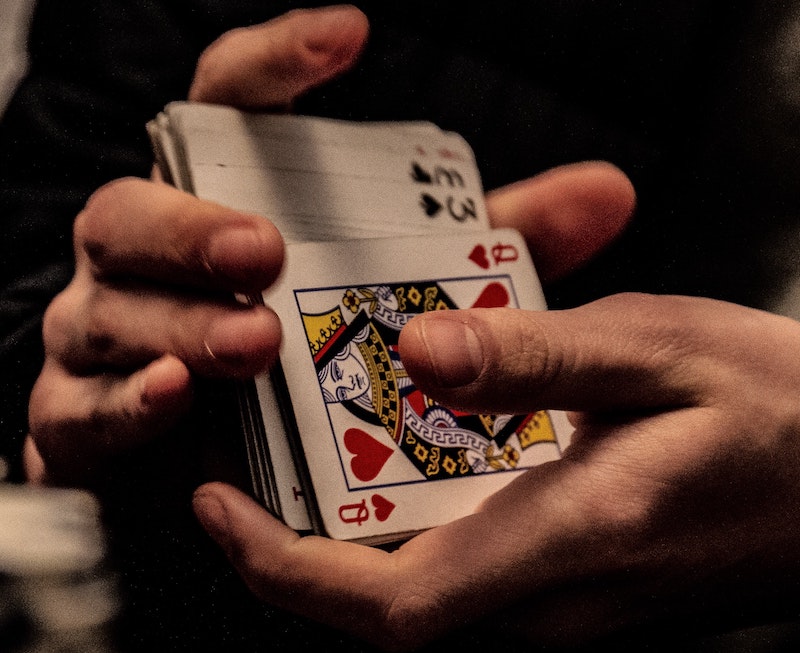
Over a large sample, players see enough good cards, bad cards, coolers and missed draws for decision quality to matter more. The cards are still random, but the choices are not.
A skilled player wins more over time because they:
- Enter fewer weak pots from bad position.
- Understand pot odds, equity and implied odds.
- Value bet hands that worse hands can call.
- Bluff when the story makes sense, not just because they feel bold.
- Fold strong-looking hands when the action says they are beaten.
- Control tilt after bad beats.
- Choose games where they have an edge.
- Track results so they can separate variance from leaks.
Research on World Series of Poker results has also found evidence that previously successful players perform better than other players in later events, which supports the idea that poker contains a meaningful skill component. The point for everyday players is simpler: better decisions compound.
For a deeper mathematical foundation, read our guide to probability in poker.
Is poker gambling?
Yes, poker is gambling in the everyday sense because players risk money on uncertain outcomes. Even when you are a favorite, you can lose. Even when you study hard, variance can punish you for days or weeks.
That does not make poker the same as roulette or slots. In those games, the player has no meaningful control over the long-term math. In poker, you compete against other players, not only against a fixed house edge. Your decisions and your opponents' mistakes are part of the outcome.
So the cleanest answer is this: poker is gambling with a skill edge. You still need discipline because a skill edge does not remove risk.
What skills matter most in poker?
Starting hand discipline
Many losing players get into trouble before the flop. They play too many weak hands, especially from early position, then pay to chase boards that do not help them enough. Good players know that folding is not passive. It is how you avoid expensive spots.
Position
Acting later gives you more information. You see who bets, who checks and how the pot is developing before you make your decision. Position is one of the clearest ways skill shows up, because better players use information better.
Pot odds and equity
Skillful poker players compare the price of a call with the chance of improving or already being ahead. They do not chase every draw. They ask whether the reward justifies the risk. Our poker odds cheat sheet is a useful place to start.
Reading betting patterns
Poker is a game of incomplete information, but betting patterns reveal a lot. A sudden overbet, a quick call, a small blocker bet or a river check can all mean something. Strong players avoid magic reads. They combine player tendencies, board texture, position and bet sizing.
Value betting
Most players think first about bluffing, but value betting is where a lot of steady profit comes from. If worse hands can call, you need to bet. Missing value because you are afraid of monsters under the bed is one reason decent players stay break-even.
Tilt control
Bad beats are part of the game. The expensive mistake is letting one unlucky hand infect the next ten hands. Tilt control is a real poker skill because emotional decisions destroy edges that took hours to build.
Bankroll management
Even skilled players go through losing stretches. Bankroll management keeps normal variance from becoming a personal financial problem. If your stakes are too high for your bankroll, poker becomes harder to play well because every decision feels heavier than it should.

What percentage of poker is luck?
There is no honest fixed percentage. The answer changes with the sample size.
In one hand, luck can decide almost everything. In one tournament, luck still matters a lot because all-in spots, table draws and card distribution can swing the result. Across thousands of hands, skill has much more room to show.
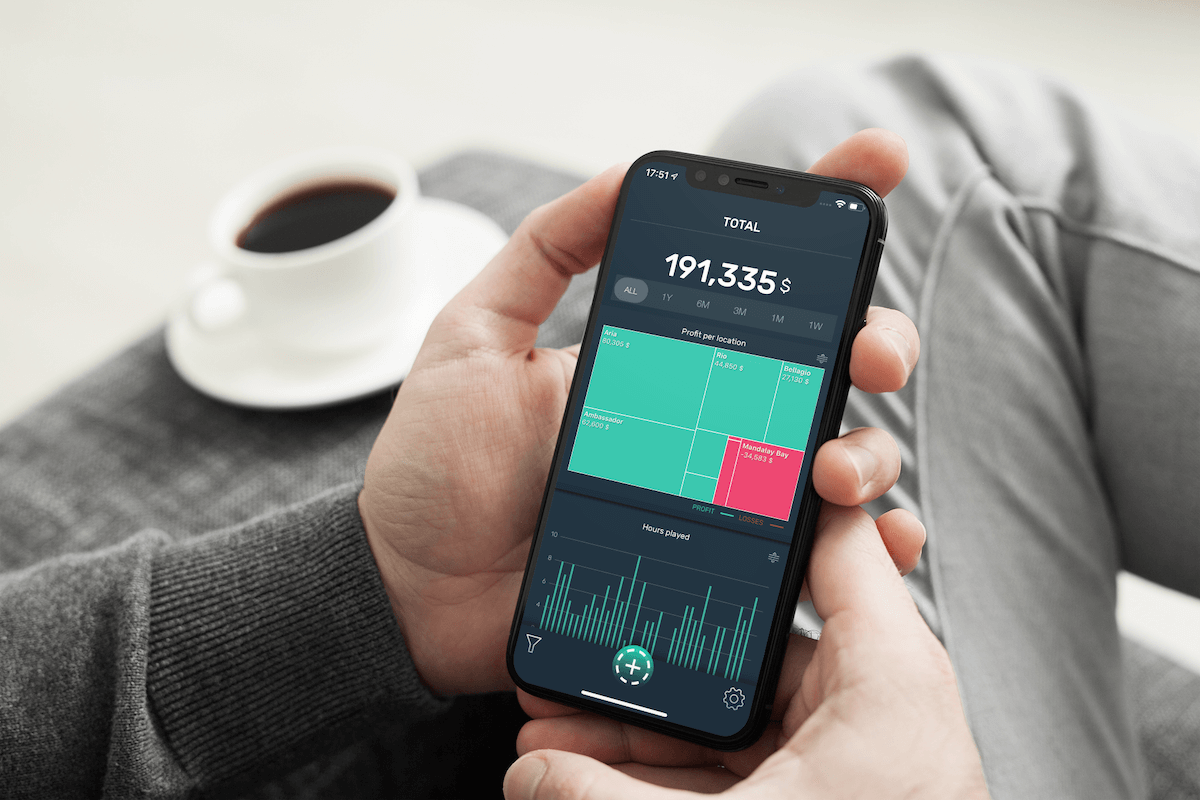
That is why serious players look at trends, not isolated memories. They review win rate, session length, game type, location, stakes and emotional state. Poker Stack is built for exactly that kind of long-term review: not to tell you whether one bad beat was unfair, but to show whether your overall poker decisions are working.
Can a beginner beat a strong poker player?
Yes. A beginner can beat a strong player in one hand or one short session. That is part of what makes poker exciting and frustrating.
But if the same beginner and the same strong player sit together for enough hands, the stronger player should usually make more profitable decisions. They will lose some pots, but they will lose less in bad spots and win more in good ones.
How to reduce the role of luck in your poker results
You cannot remove luck from poker, but you can reduce how much it controls your bankroll.
- Play stakes your bankroll can handle.
- Track every session, not just the memorable ones.
- Review losing sessions without blaming every result on bad luck.
- Study spots where you faced large turn or river bets.
- Use position and table selection instead of ego.
- Take breaks when frustration changes your decisions.
- Measure progress over months, not one night.
If you want a practical system, start with our complete guide to poker bankroll management and our article on important poker statistics.

Track the skill side of your poker results
Luck explains one hand. Your bankroll history explains your game.


Is poker closer to chess or roulette?
Poker sits between them. It has more uncertainty than chess because hidden cards and random runouts matter. But it has far more player agency than roulette because every street asks you to make decisions against other humans.
That is why the best poker players study, review hands, use solvers carefully and protect their bankroll. They cannot control the next card. They can control whether they keep putting money into bad situations.
Final answer: poker is luck in the short term and skill in the long term
If you only care about the next hand, poker can look like luck. If you care about your next thousand decisions, poker becomes a skill game wrapped in variance.
The right goal is not to "beat luck." You cannot. The right goal is to make better decisions often enough that luck has less power over your long-term results.
Related questions about poker luck and skill
Is poker luck or skill?
Poker is both. Luck controls the cards and can decide short-term results. Skill controls decisions, which matters more as the sample of hands grows.
Is poker gambling?
Yes. Poker involves risking money on uncertain outcomes. It is also a skill game because choices about hands, position, bet sizing, opponents and bankroll management affect long-term results.
Does poker take skill?
Yes. Poker takes skill in probability, position, hand selection, reading betting patterns, value betting, bluffing, tilt control and game selection.
What percentage of poker is luck?
There is no fixed percentage. One hand can be mostly luck. A large sample of hands gives skill more room to show.
Can a beginner win at poker?
A beginner can win in the short term, especially in one hand or one session. Long term, stronger players usually do better because they make fewer expensive mistakes.
How do I know if I am improving at poker?
Track your sessions, stakes, game types, hours, profit and notes. Then review patterns over time instead of judging your ability from one good or bad night.
Related Posts:
- A Complete Guide to Poker Bankroll Management
- The Complete Guide to Understanding Probability in Poker
- Win More Money by Understanding Important Poker Statistics
- AI in poker: bots, solvers and fair play
More Poker Strategy Guides
A Complete Guide to Poker Bankroll Management
Build a bankroll system that helps you survive variance, choose stakes calmly and review your poker results over time. more...

The Complete Guide to Understanding Probability in Poker
Learn how odds, equity and probabilities shape better poker decisions before the flop, on draws and at showdown. more...
Read our blog