 Poker bankroll tracker app: what to record after every session
If you play live poker, the hardest part of tracking is not the math. It is the moment after the session, when you are tired, annoyed, hungry, or already thinking about the drive home.
That is why many players start with a spreadsheet and stop after a few weeks. The sheet works when you are at a desk. It does not work as well when you are standing outside the cardroom trying to remember whether your second buy-in was $300 or $400.
The better habit is simple: track live poker sessions before memory gets messy. Record the few numbers that matter, add one useful note, and move on.
Track your own results: The Poker bankroll tracker app guide explains what Poker Stack records, when an app beats a spreadsheet, and how to review sessions with less guesswork.
What to record before you leave the poker room
A good live poker session record should be boring. Boring is the point. You want the same clean data every time, not a diary that changes format depending on your mood.
- Date and venue
- Game type, such as NLHE, PLO, tournament, or mixed game
- Stakes and table size
- Start time and end time
- Total buy-ins and cashout
- Tips, food, parking, and other session costs if you track expenses
- One short note about the lineup, your focus, or a hand worth reviewing
Those fields are enough to answer the questions that matter later. Are you winning in this game? Are weekend sessions better than weekday sessions? Are you losing more in tired late-night spots? A poker bankroll tracker app is useful because it turns those questions into a repeatable habit.
Why spreadsheets fail live players
Spreadsheets are powerful. Excel tables and Google Sheets functions can handle almost any bankroll model if you enjoy building one.
The problem is friction. A spreadsheet asks you to design columns, protect formulas, fix formatting, and enter data on a small phone screen. That is fine for a monthly review. It is bad for the two-minute window when your session just ended.
Live poker also creates messy edge cases. You top up. You move tables. You play a short feeder game before the main game opens. You tip the dealer. You buy food from your pocket. If your tracker makes those details annoying, you will skip them, and skipped sessions are where bankroll records start lying.
Use a fixed session routine
The best tracking routine is the one you can do when you are tilted. Open the tracker, enter the basics, save it, and add one note if the note will help your next review.
For cash games, I would keep it this tight: venue, game, stakes, buy-in, cashout, start time, end time, and note. For tournaments, add buy-in, re-entries, add-ons, and finish position. For trips, separate poker results from travel costs so you do not fool yourself into thinking a losing trip was a winning poker week.
Poker Stack is built around that habit. It is faster than setting up a sheet, and it keeps bankroll tracking close to the moment where the information is still accurate. If you are comparing tools, start with the broader essential poker apps guide, then decide what you actually need at the table.
Track performance, not just wins and losses
Winning $600 does not always mean you played well. Losing $600 does not always mean you played badly. Poker has variance, and short-term results can be noisy. That is why session tracking should give you more than a total profit number.
The basic concept of variance matters here. Your short-term results can swing even when your decisions are solid. Over enough sessions, cleaner records help you separate real patterns from noise.
Use notes for things numbers cannot show. Was the game good? Were you tired? Did you quit well? Did you stay after the table got worse? These notes are not for storytelling. They are there so your next review has context.

Download Poker Stack Now
"PokerStack is THE app you need to have as a live poker player."
Poker.com


Keep poker money separate from life money
Session tracking works best when your bankroll is treated as its own pool. That does not need to be complicated. It just means you should know what belongs to poker and what does not.
If you want a deeper primer, read the complete guide to poker bankroll management. The short version is this: when poker money and life money blur together, your results become hard to trust. You can be playing well and still feel broke because rent, travel, or bad spending got mixed into the same mental account.
This is also where responsible gambling matters. If tracking shows that poker is hurting your finances or your life outside the game, take that seriously. The National Council on Problem Gambling maintains help and treatment resources in the United States, and similar services exist in many countries.
Review your sessions once a week
Do not turn every session into a courtroom drama. Save the review for a regular time, ideally once a week. Look at hours played, profit or loss, biggest games, worst sessions, and notes that repeat.
A useful weekly review asks plain questions:
- Which games made money?
- Which venues produced the best hourly rate?
- Did I play longer when losing?
- Did I quit good games too early?
- Did my notes point to the same leak more than once?
If you want a broader view of what tracking can show over time, the older poker tracking guide covers the idea in more detail. The key is consistency. A perfect spreadsheet with missing sessions is worse than a simple tracker used every time.
A simple no-spreadsheet setup
Here is the setup I would use for most live players:
- Use Poker Stack for session entries and bankroll history.
- Enter each session before leaving the venue.
- Add one short note, only if it will help later.
- Review results once a week, not every hour.
- Keep separate notes for detailed hand history study.
For hand discussions and rules references, use proper outside resources. The Poker Tournament Directors Association is a useful source for tournament rule standards, and WSOP's Texas Hold'em rules are a clear public reference for basic game structure. Those are different jobs from bankroll tracking. Do not force one tool to do everything.
The real goal is honesty
The point of tracking live poker sessions is not to make the graph look pretty. It is to stop guessing.
If you track every session, you can see what is happening to your bankroll. You can spot when one game is carrying you and another game is bleeding you. You can catch patterns before they become expensive.
A spreadsheet can do that if you maintain it. Most players do not. A session tracker works because it fits the real moment when tracking has to happen: right after the chips are counted.
Related Poker Stack reading
Poker bankroll tracker app: what to record after every session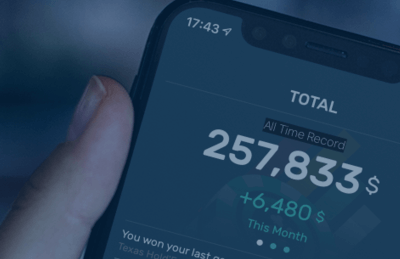 A complete guide to poker bankroll management
Read our blog