 Dealer errors: protect your hand without being a jerk
A private poker game can look like the perfect invite. Softer lineup, friendlier table, no casino waitlist, maybe a whale who never folds top pair. It can also be a taxed-up, under-secured, slow-paid mess that only looks good because you want the seat.
The decision is not just whether you are better than the players. It is whether the whole game is worth your money, time, attention, and risk. A great lineup with a brutal rake can still be bad. A beatable game with shaky payments can turn one winning night into a headache.
Start with the boring question
Before you ask who is playing, ask whether you should be there at all. Private poker rules depend on where the game happens, who runs it, whether there is a rake or fee, and whether the public can access it. This is not legal advice, and you should check the rules where you live or talk to a qualified local professional if the answer matters.
The reason to be careful is simple. In the U.S., federal law has a specific section on illegal gambling businesses. In Great Britain, the Gambling Commission says private poker can be allowed in private settings, but the details include conditions such as no charge or levy for playing. Its separate guidance on non-commercial poker nights also turns on whether proceeds are used for private profit.
You do not need to become a lawyer before you play cards. You do need to notice the obvious warning signs: unknown host, public advertising, mandatory seat fee, suspicious rake, unclear payout process, or a room full of people who cannot explain who is responsible if something goes wrong.
Do the private game math before you leave home
Do not count the invite as +EV until you price the game. A private game often has costs that do not show up in the buy-in.
- Rake or tips: Ask how the house takes money. A small pot rake, hourly seat fee, host tip, food charge, or dealer tip can change your true hourly rate.
- Travel: Add gas, rideshare, parking, flight, hotel, or the time you lose getting there.
- Game speed: A friendly private game can be slow. Fewer hands per hour means your edge has less volume.
- Payment delay: A win is not a win until the money clears.
- Variance: Deeper stacks, straddles, bomb pots, and loose credit make the same stakes play much bigger.
If you use a poker rake tracker mindset, the question gets cleaner. Would you still take the seat if this same structure was posted on a casino board? If the answer is no, the private invite may be selling comfort instead of value.
Check the host like you check a table
The host matters as much as the lineup. A private game is a small trust network. If the host is weak, careless, or too eager to fill seats, you inherit that risk.
Ask direct questions before you go:
- Who is hosting, and how long has the game run?
- Who handles the money?
- Is the game cash only, app payments, chips on credit, or a mix?
- Is there a dealer, and who pays that person?
- Are new players vouched for by someone you trust?
- What happens if a player leaves stuck or cannot pay?
Payment apps add another layer. The Federal Trade Commission warns that scammers use mobile payment apps because once you send money, it can be hard to get it back. Read the FTC guide to mobile payment app scams before treating a screen balance like cash.
The lineup can be good and still not worth it
Some private games are soft because nobody folds. Some are soft because nobody is tracking the real cost. You want the first one, not the second.
Look for a lineup where your edge is clear and repeatable. Loose calls are good. Splashy straddles can be good if you are rolled for them. A player who pays off too light is good. A table where everyone is drinking, stacks are on credit, and the host keeps changing the rules can create money tonight and trouble later.
Use the same discipline you would use in a normal cash game session review. Record what made the seat good. Was it one bad player? Was the rake beatable? Did the game stay organized? Did you feel rushed into bigger pots than your bankroll supports?
Protect your cards, chips, and records
Private games can be relaxed, but your habits should not be. Keep your cards protected. Keep your chips visible. Confirm the amount when you buy in, top up, cash out, or send money. Those habits still help outside a tournament room, even when the host is a friend and the table feels relaxed.

Download Poker Stack Now
"PokerStack is THE app you need to have as a live poker player."
Poker.com


The best players in private games do not act paranoid. They act prepared. They know how much they brought, how much is in play, how the game is structured, and when they are leaving.
Set a private-game stop loss before the first hand
A private game can tempt you to ignore your normal limits. You know the host. The lineup is good. The game may not run again. That is exactly when you need a number before the first hand.
Set these limits:
- Money limit: The maximum you can lose tonight without hurting the bankroll plan.
- Game-size limit: The point where straddles, deeper stacks, or side games make the game too big.
- Trust limit: The moment you leave because payment, rules, security, or behavior feels wrong.
- Energy limit: The time you leave if the game gets too late, too loose, or too far from your normal decision quality.
If you already use a poker stop loss app habit, apply it harder in private games. Your stop loss is not just about tilt. It is about leaving before a weird game turns into a bigger problem.
Track the invite, not only the profit
Profit from one night can lie. A private game that paid you $900 may still be bad if the rake was too high, the payments were slow, and the only weak player is never coming back. A $300 loss may still be a good future seat if the game was clean, deep, and full of repeatable mistakes.
After the session, log more than buy-in and cashout in Poker Stack. Add notes on the host, lineup, rake, payment method, game speed, straddles, bomb pots, and whether you would play again. That turns the private invite from a story into a decision you can review.
For private games, I like a simple rating after each session:
- Lineup: Was the edge real or just one player?
- Structure: Did rake, tips, and game speed leave room for profit?
- Trust: Did the host, payment process, and table behavior feel clean?
- Bankroll fit: Did the game play within your normal risk limits?
- Repeat value: Would you go back for the same seat next month?
If two of those ratings are bad, the invite probably is not +EV. If trust is bad, the rest does not matter.
A simple yes or no test
Before you accept the next private poker game invite, answer these questions in writing:
- Can I explain why this game is better than my normal game?
- Do I understand the rake, tips, fees, and payment method?
- Is the game legal enough for my own comfort level where it runs?
- Do I know who is responsible for payouts and disputes?
- Can my bankroll handle the real game size, including straddles and deeper stacks?
- Will I track enough detail to judge the game later?
If you cannot answer those cleanly, skip it. There will always be another seat. The goal is not to play every private game. The goal is to keep the ones that make money and avoid the ones that only make stories.
Related Poker Stack reading
Dealer errors: protect your hand without being a jerk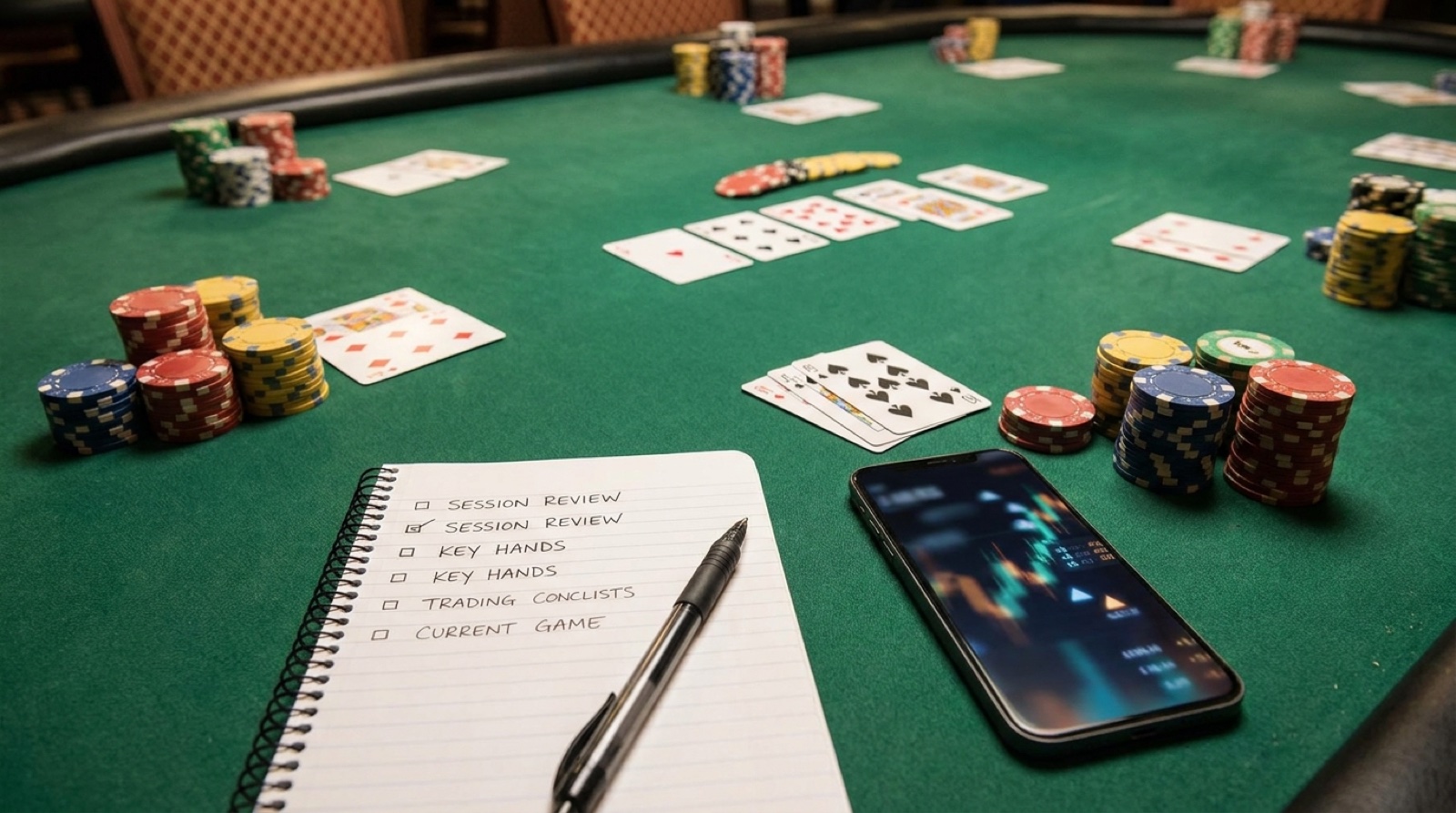 Cash game session review checklist for live poker players
 Poker stop loss app: when to quit a session
 Poker rake tracker: how timed rake and pot rake change your win rate
Read our blog