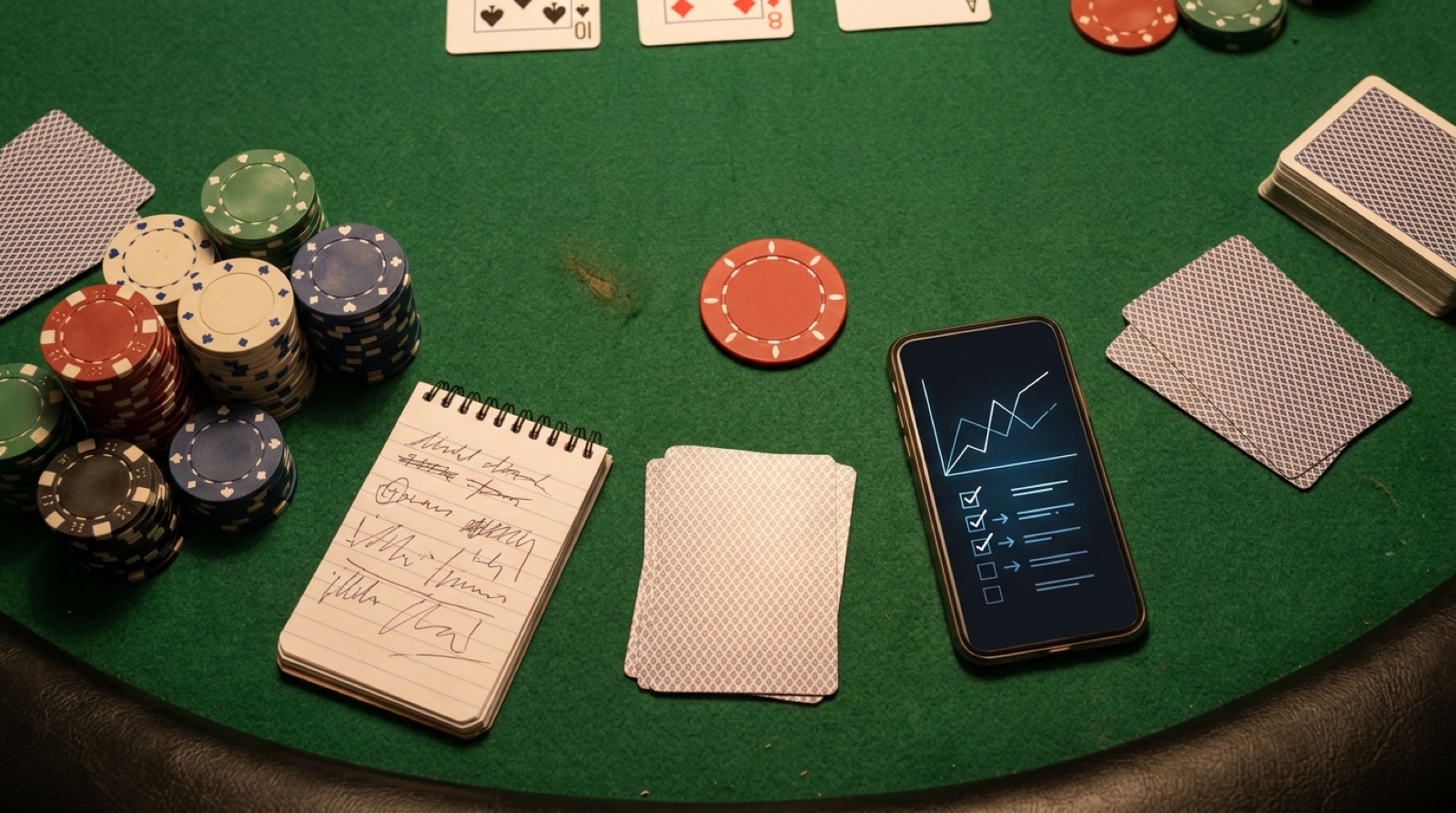
 Live poker checklist: bankroll, stop loss, table selection, and notes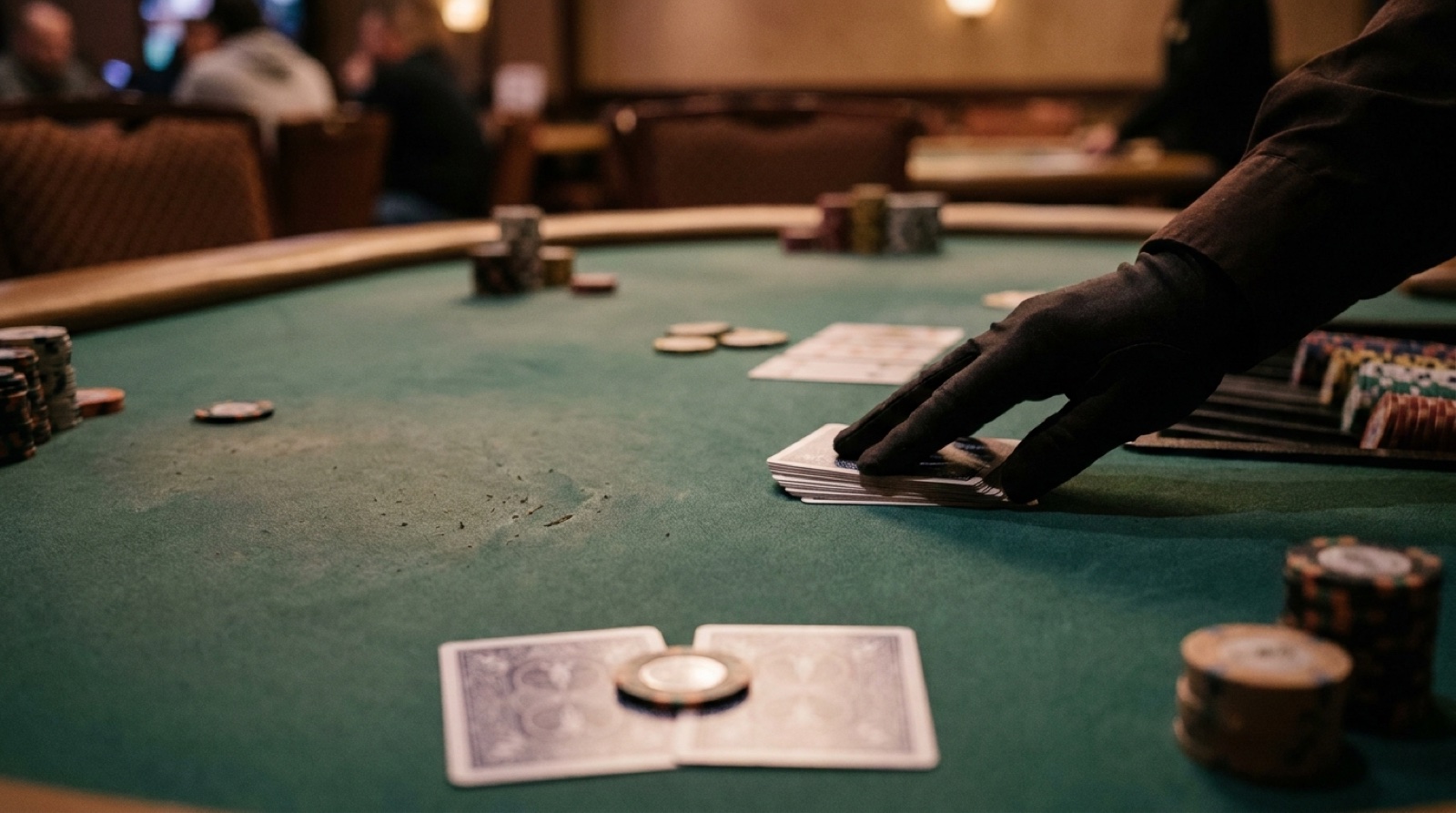
Dealer errors are part of live poker. A card flashes. A hand gets pulled toward the muck. A pot starts moving the wrong way. Your job is to protect your hand in poker before the situation turns into a ruling, a bad argument, and a lost orbit of focus.
The simple answer is this: keep your cards in front of you, stop the action early, call the floor when the ruling matters, and state facts without attacking the dealer. The room still has the final say. Your edge comes from staying clear while everyone else gets loud.
Protect your hand before there is a problem
In live poker, your cards are your responsibility. The 2025 WSOP Tournament Rules say players must protect their own hands, and they define a protected hand as one sitting on the table surface with a card cap on top. The official Poker TDA rules page also puts responsibility on players at showdown when cards are being read.
Cash games and local rooms can use their own house rules, but the habit is the same everywhere. Do not leave your cards naked near the muck. Do not release them until the pot is right. Do not assume the dealer saw the same thing you saw.
- Keep your cards close enough that they cannot be swept by mistake.
- Use a chip or legal card protector if the room allows it.
- Keep both cards visible on the table, not hidden in your hand or buried under chips.
- At showdown, table your hand clearly and keep it there until the dealer pushes the pot.
- If the dealer reaches for your cards by mistake, say "live hand" immediately.
This is not about being paranoid. It is basic live-game hygiene, like posting blinds on time or keeping your big chips visible.
What to do when the dealer makes a mistake
Most dealer mistakes are fixable if you speak early. They get worse when action continues, cards mix into the muck, or players start arguing about intent.
A dealer pulls your cards toward the muck
Do not let go of the hand if you still have a live claim. Say "live hand" or "floor, please" in a normal voice. Keep the cards still and visible. If the cards have already touched the muck, do not grab through the pile or move cards around. That can make the ruling harder.
Some rules allow judgment when cards are still fully identifiable and retrievable. Other spots are dead once the hand cannot be clearly recovered. Robert's Rules of Poker, which is useful as a general home and cash-game reference, also says players must protect their own hands. Treat it as a reference, not as a promise that your casino will rule the same way.
A card is exposed during the deal
Exposed-card rules depend on the game and the room. In many hold'em procedures, one exposed card can be replaced and used as a burn card later, while more serious deal problems can become a misdeal. The WSOP rules also define misdeal procedures and say a misdeal cannot be declared after substantial action.
Your move is boring but important: pause, keep your cards still, and let the dealer or floor fix the procedure. Do not angle for a ruling you know is wrong. A small procedural edge is not worth becoming the player nobody trusts.
The dealer misreads the board or pushes the pot wrong
This is the spot where calm players save the most money. If the pot is going the wrong way, speak before chips are stacked and mixed. Say what happened in plain terms: "I have the flush" or "the board is paired, so that is a full house."
Do not muck because you think everyone has seen the winner. Do not celebrate before the pot is pushed. A hand that is clearly tabled is much easier to defend than a hand you flashed, buried, and released.
Call the floor without making it personal
A floor call is not an insult. It is the room's way to handle a disputed procedure. The best players call the floor early, then stop talking except to give facts.
- Say "floor, please" before action moves too far.
- Keep your cards and chips where they are.
- Tell the sequence, not your opinion of the dealer.
- Let the other player speak without interrupting.
- Accept that close rulings can depend on house rules and floor discretion.

Download Poker Stack Now
"PokerStack is THE app you need to have as a live poker player."
Poker.com


The table remembers how you act in these moments. If you protect yourself without berating the dealer, you keep the game moving and you keep future action friendly. That matters in live poker, where lineup quality can be worth more than one argument.
Protect your bankroll from the second mistake
The dealer error is the first mistake. The second one is letting the ruling poison the next two hours. A bad call, a dead hand, or a pushed pot can turn into loose calls and revenge bluffs if you do not notice the emotional cost.
This is where Poker Stack fits the hand, not as a rules book, but as a session record. After the session, log what happened, the stakes, the amount at risk, the ruling, and whether your play changed after it. If the same type of live-table mistake keeps costing you money, compare it with your rake and room notes and your full trip costs. It is no longer just a weird story. It is a leak.
If you already use a live poker checklist, add a short line for card protection and showdown discipline. If you review cash-game sessions, tag the spot as a procedural mistake, tilt trigger, or table-selection note. Over a few months, those notes tell you whether you are losing money from bad games, bad rulings, or bad reactions.
A calm checklist for dealer errors
- Protect the cards first. Keep them capped, visible, and away from the muck.
- Stop the action early. A quiet "floor, please" beats a five-minute argument.
- State facts. Seat, action, board, hand, pot, and what changed.
- Do not touch the muck. Let staff decide whether cards are identifiable.
- Do not punish the dealer. Fix the ruling, then get back to playing.
- Record the spot later. Track the money risk and your reaction, not only the final profit.
Protect your cards first. Protect your composure next. Once those are handled, the ruling has a much better chance of being about the facts instead of the loudest person at the table.
Sources and room-rule caveat
Poker rules are not universal across every casino, tournament series, private game, and country. Use these sources as current references, then follow the posted rules and floor ruling in the room where you are playing. This article is poker rules education, not legal advice or a guarantee of how any specific room will rule.
- Poker TDA rules, procedures, and addendum
- 2025 WSOP Tournament Rules PDF
- Robert's Rules of Poker PDF
- The Lodge Card Club public TDA rules mirror
Related Poker Stack reading
Live poker checklist: bankroll, stop loss, table selection, and notes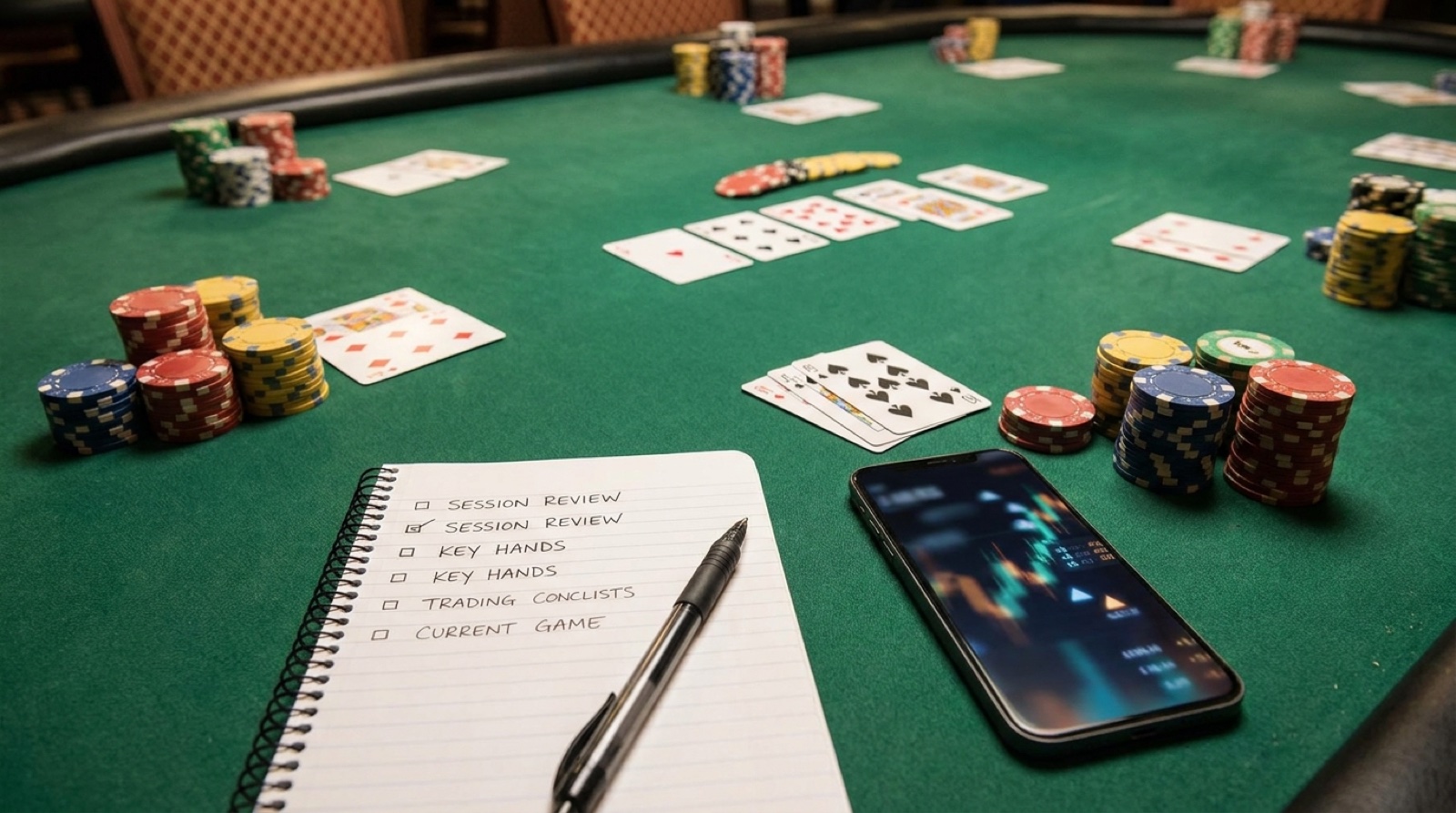 Cash game session review checklist for live poker players
Read our blog