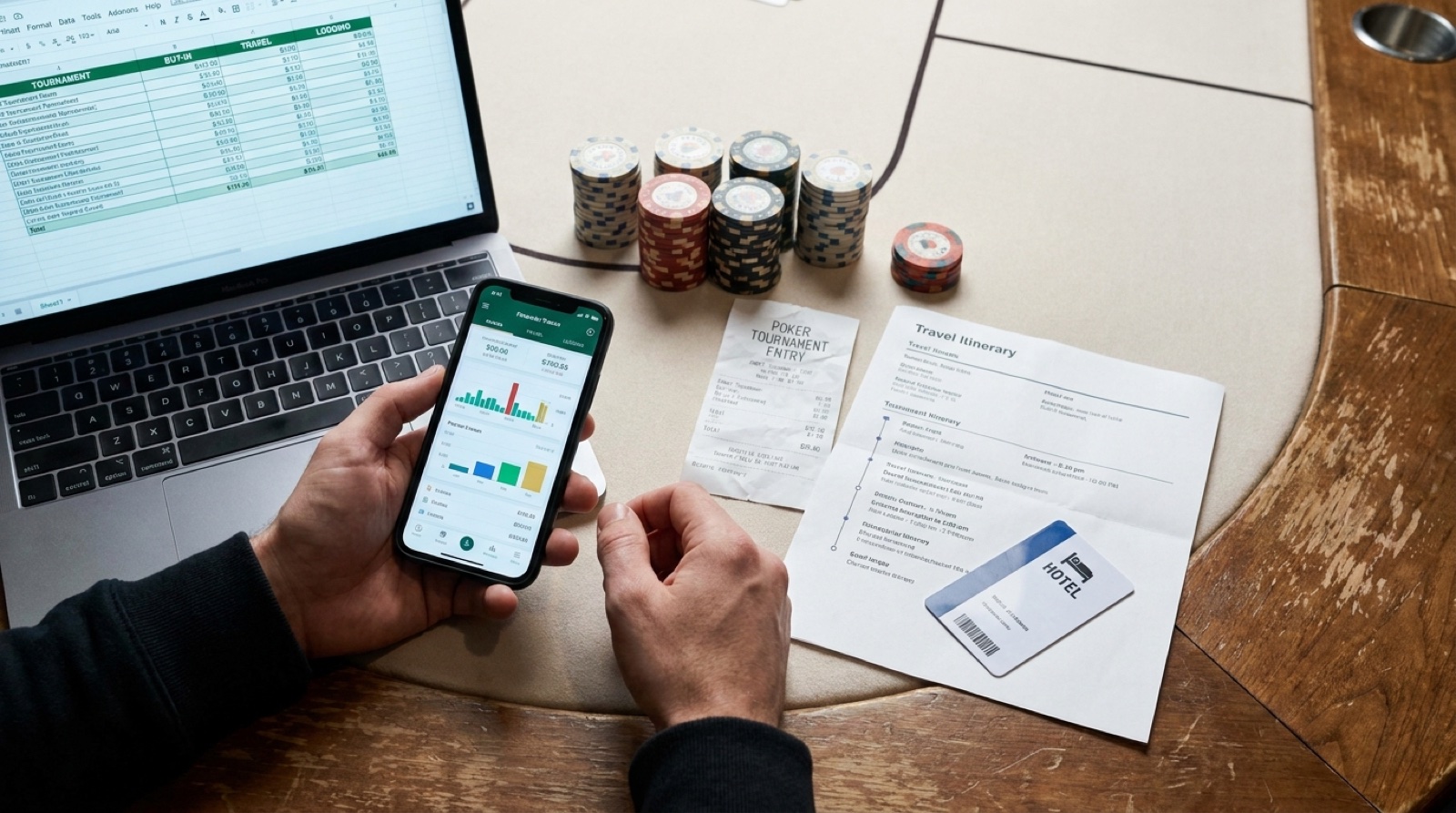
 Tournament bankroll tracker: buy-ins, re-entries, and travel costs
A good poker trip budget starts before you open the airline site. The flight is only one line. The real number includes the poker bankroll, buy-ins, re-entries, hotel, local transport, food, tips, fees, and the hours you are giving up at home.
If you skip those costs, a trip can feel like a win in the room and still be a bad bankroll decision. A $900 profit after six days sounds fine until the travel bill, missed work, and weaker-than-expected games take it apart.
Start with the bankroll you can actually risk
Separate the trip bankroll from life money before you book anything. This sounds basic, but it changes the whole decision. If the poker money is not clearly separate, every meal, taxi, and hotel night starts borrowing from the same pile you need for the games.
For tournaments, list every event you want to play, then add realistic re-entry rules. Do not budget for the version of yourself who never fires a second bullet. If the schedule has a $400 daily, a $1,100 main event, and several side events, write down the full possible spend before you tell yourself the trip is cheap. Use the official WSOP tournament schedule or the venue's own event page for buy-ins, start times, and formats before you build the bankroll number.
For cash games, decide the stake, the minimum session roll, and the stop-loss before you travel. If you usually play $2/$5 with a two-buy-in stop, a four-session trip needs more than one heroic buy-in in your pocket. It also needs a rule for moving down, leaving a bad lineup, or taking a day off.
This is where a tracker matters. Log the trip as its own bankroll bucket in Poker Stack, then tag each session by city, room, stake, and format. You want the trip to leave a record, not just a memory of one big pot.
Write down every cost before you chase action
Most poker travel budgets miss the same categories. They count the plane ticket and hotel, then quietly forget everything that happens between the airport and the cage.
Use this list before you book:
- Flights, seat fees, luggage fees, and airport transport
- Hotel, resort fees, deposits, taxes, and parking
- Food, coffee, water, tips, and late-night meals after long sessions
- Local taxis, rideshare, rental car, fuel, tolls, and mileage
- Tournament buy-ins, re-entries, add-ons, swaps, and tips
- Cash-game buy-ins, reloads, table-change fees, and currency exchange
- Missed work, family cost, recovery days, and the value of your time
For U.S. trips, the GSA per diem rates are a useful sanity check for lodging and meals, even if you are not traveling for government work. For driving, the IRS standard mileage rates can help you remember that a road trip costs more than gas.
If you are comparing cities, check a current cost-of-living source such as Numbeo and then verify actual hotel and transport prices yourself. A cheap poker room in an expensive city may still be a bad trip if the off-table costs are eating the edge.
Use a simple break-even formula
Before you book, calculate the number the trip has to beat.
| Line item | Example |
|---|---|
| Travel and hotel | $1,250 |
| Food and local transport | $450 |
| Expected tournament entries or cash-game risk | $2,500 |
| Missed work or time cost | $800 |
| Total trip cost before profit | $5,000 |
Now ask a harder question: how many good playing hours will you get? If the trip costs $5,000 and you expect 35 real hours of play, you need to understand what that means for your win rate and variance. If you are playing tournaments, you also need to accept that one min-cash may not cover the real bill.
The goal is not to scare you out of traveling. It is to stop you from treating every poker trip like a vacation that your bankroll is supposed to magically reimburse.
Do not confuse volume with a good trip
A lot of players justify travel by saying they will play nonstop. Then the first two days go badly, sleep gets worse, and the game quality is not what they expected. Suddenly the budget depends on tired hours in mediocre lineups.

Download Poker Stack Now
"PokerStack is THE app you need to have as a live poker player."
Poker.com


Build the schedule with recovery time. If you land at midnight, do not pretend the next morning is a sharp session. If a tournament day could run long, do not plan a serious cash session after it. If you are crossing time zones, give yourself a buffer before the biggest buy-in.
Good travel planning is bankroll planning. Your stop-loss should travel with you. Your note-taking should travel with you. Your session review should travel with you. If you normally use a poker bankroll tracker app at home, the road is exactly where you need it most.
Track the trip like one long session report
After each session, record more than win or loss. Add the room, stake, game type, session length, buy-ins, cashout, fatigue level, and one note about the lineup. For tournaments, log buy-in, fees, re-entries, payout, swaps, and travel cost assigned to the trip.
This makes the review cleaner. You can see whether the trip worked because of good game selection, lucky tournament variance, or one soft lineup that hid three bad decisions. You can also compare future trips against the same structure instead of guessing.
Start with a small rule: no session gets closed until it is logged. Poker Stack is built for that habit. If you want to test a travel spot, track the trip in the app and judge it by total trip ROI, not only the biggest session screenshot.
When the trip is worth it
A poker trip can be worth it when the upside is real and the costs are honest. That might mean a tournament series with clear value, a known soft cash-game pool, a planned study trip with friends, or a destination where the off-table cost is low enough that the games do not need to be perfect.
It is a weaker decision when the whole plan depends on running hot, finding games you have never verified, or ignoring expenses because the destination sounds fun. Fun is allowed. Just do not call it bankroll strategy if the math only works after you delete half the bill.
If you are still deciding, compare this guide with our tournament bankroll tracker breakdown, the poker stop loss app guide, and the cash game session review checklist. Those three pieces cover the money, quitting point, and review habit that make travel easier to judge.
Related Poker Stack reading
Tournament bankroll tracker: buy-ins, re-entries, and travel costs Poker stop loss app: when to quit a session
 Poker bankroll tracker app: what to record after every session
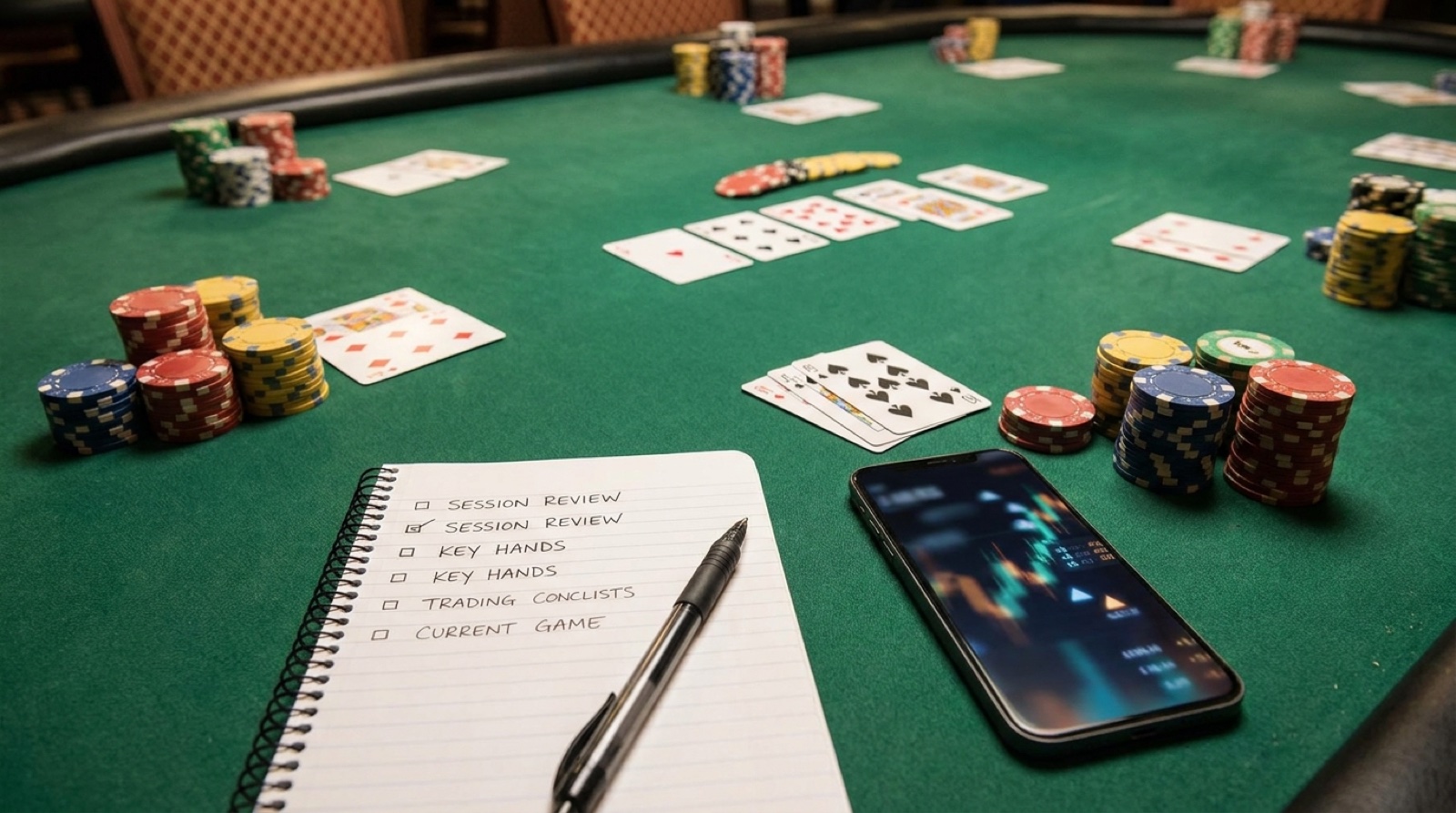 Cash game session review checklist for live poker players
Read our blog