 Late reg vs. freezeout: maximizing your tournament ROI
A good poker bubble strategy is not about bullying every short stack. It is about knowing who can fold, who cannot, and what your bankroll says before you turn pressure into a punt.
The bubble is where tournament poker stops feeling fair. One player gets paid. One player gets nothing. That pressure makes people fold hands they would normally play, call off too tight, or sit there praying for someone else to bust first. If you have chips, you can use that fear. If you are short, you need to survive without becoming invisible.
What bubble abuse actually means
The poker bubble is the point right before the paid places. If 100 players get paid and 101 remain, one more bustout ends the bubble.
Bubble abuse means using that pressure to win pots because other players care more about cashing than playing a normal chip-EV hand. It works best when a medium stack is scared to bust before the short stacks. It works badly when you attack players who are already committed, priced in, or too tilted to fold.
This is where a lot of players get lazy. They hear "abuse the bubble" and start raising every hand. That is not strategy. That is hoping the table is too scared to notice your ranges got silly.
Why scared money folds too much
Independent chip model, usually called ICM, is the reason bubble pressure exists. Tournament chips are not worth the same as cash-game chips. Losing your last chip hurts more than winning one more chip helps, especially near a payout jump.
That does not mean everyone should fold forever. It means some stacks have a real reason to avoid busting. A player with 22 big blinds and two tiny stacks at nearby tables cannot call off lightly against the chip leader. Their tournament life has value. Your big stack lets you make them defend that value.
The best bubble spots usually have three pieces:
- A player who can still fold and keep a playable stack.
- Short stacks elsewhere making the next payout feel close.
- A hand or position that gives your raise enough backup when called.
If one of those pieces is missing, slow down. Pressure is still poker. You need a target, a reason, and a plan for resistance.
Big stack pressure: where the money is
The big stack's job is to make medium stacks uncomfortable. Open more often from late position. Attack blinds that are trying to fold into the money. Re-raise players who are opening too wide but cannot stand a shove.
Do not make the mistake of attacking every short stack. A six-big-blind player may call because they have no better option. A three-big-blind player may be forced in by the blinds soon anyway. You do not get fold equity from someone who already feels dead.
Attack the stacks that still have something to lose. A player with 18 to 35 big blinds often hates playing a huge pot before the bubble bursts. That is where your raise can win more than the cards deserve.
Medium stack survival without freezing
Medium stacks have the hardest job. You cannot punt, but you also cannot fold your way into a good result every time. If you give the chip leader every blind, you arrive in the money with a stack that has no threat left.
Pick your resistance spots before you are under pressure. Defend hands that play well against late-position opens. Re-shove when the opener can fold and your stack still has enough force. Avoid flat-calling out of position with hands that look pretty but put you in bad turn decisions.
The rule is simple: do not risk your tournament life without a clear reason, but do not donate your stack one orbit at a time either.
Short stack bubble play
Short stacks need honesty. If you have two big blinds and five players are shorter, folding may be correct. If you have eight big blinds and everyone is waiting, you may need to steal before the blinds destroy your fold equity.
Your position matters. Your table matters. The payout jump matters. The Poker TDA rules cover tournament procedures such as balancing tables and moving players, but they do not protect your stack from bad timing. You still need to know when the blinds hit you and whether waiting costs too much.
Do not call off because you are tired of being pressured. Shoving first is often better than calling all-in. When you shove, you can win the blinds. When you call, you only get to show down.
A simple bubble abuse checklist
Before you raise, ask these questions:
- Who is under the most payout pressure? Medium stacks often feel it more than tiny stacks.
- Can this player fold? If their stack is already desperate, your fold equity may be gone.
- What happens if they shove? Know whether you are calling before you put chips in.
- Does my image help? If you raised five of the last six hands, expect someone to fight back.
- What does this do to my bankroll plan? One reckless bubble punt can erase the edge from several good events.

Download Poker Stack Now
"PokerStack is THE app you need to have as a live poker player."
Poker.com


This is where tracking helps. If you mark tournament spots in Poker Stack, you can see whether your bubble aggression is earning money or just creating stories.
Track the tournament, not only the cash
Bubble hands feel huge, so memory lies. You remember the one time the big stack folded to your shove. You forget the three times you blinded down, called too tight, or blasted into a player who was never folding.
Log the full tournament in a tournament bankroll tracker: buy-in, fees, re-entries, place, cashout, notes, and the type of bubble spot that decided the day. If you travelled for the event, add the real trip cost too. A min-cash does not save a bad poker trip if the total spend was bigger than the result.
Tournament variance is harsh. Primedope's tournament variance calculator shows how long losing stretches can happen even with a positive ROI. That is why bubble decisions need review over many events, not one painful finish.
Common bubble leaks
Most bubble mistakes come from confusing pressure with permission.
- Over-raising into short stacks. They may be waiting for any playable hand to commit.
- Folding every blind as a medium stack. You cash more often but hurt your chance to win.
- Calling off because the chip leader is annoying. Annoyance is not equity.
- Ignoring table draw and blind timing. A good fold can become bad if the blinds hit before shorter stacks are forced in.
- Counting only payouts. ROI needs every bullet, fee, and travel cost.
If you also play satellites, read why folding aces preflop can be right in a satellite. Bubble pressure and satellite pressure are cousins, but they are not the same spot.
When to stop abusing the bubble
Stop when the table adjusts. Stop when the short stacks are forced to gamble. Stop when your stack no longer covers the players you are attacking. Stop when your image has moved from "active" to "asking for it."
Good bubble pressure feels boring from the outside. Raise the right blinds. Avoid ego battles. Take the folds. When someone finally plays back, respect the stack, position, and range instead of trying to win every pot.
The goal is not to look fearless. The goal is to make the table's fear pay you while your own risk stays controlled.
The practical answer
Use bubble abuse against players who can fold and have a real reason to avoid busting. Do not use it as an excuse to open every hand, chase every pot, or ignore your bankroll.
After the tournament, write down the key bubble spot. What stack did you have? Who were you attacking? What happened when you met resistance? Poker Stack is useful here because it keeps the result and the decision note in the same place. Over time, that record tells you whether your bubble game is pressure or just noise.
Related Poker Stack reading
Late reg vs. freezeout: maximizing your tournament ROI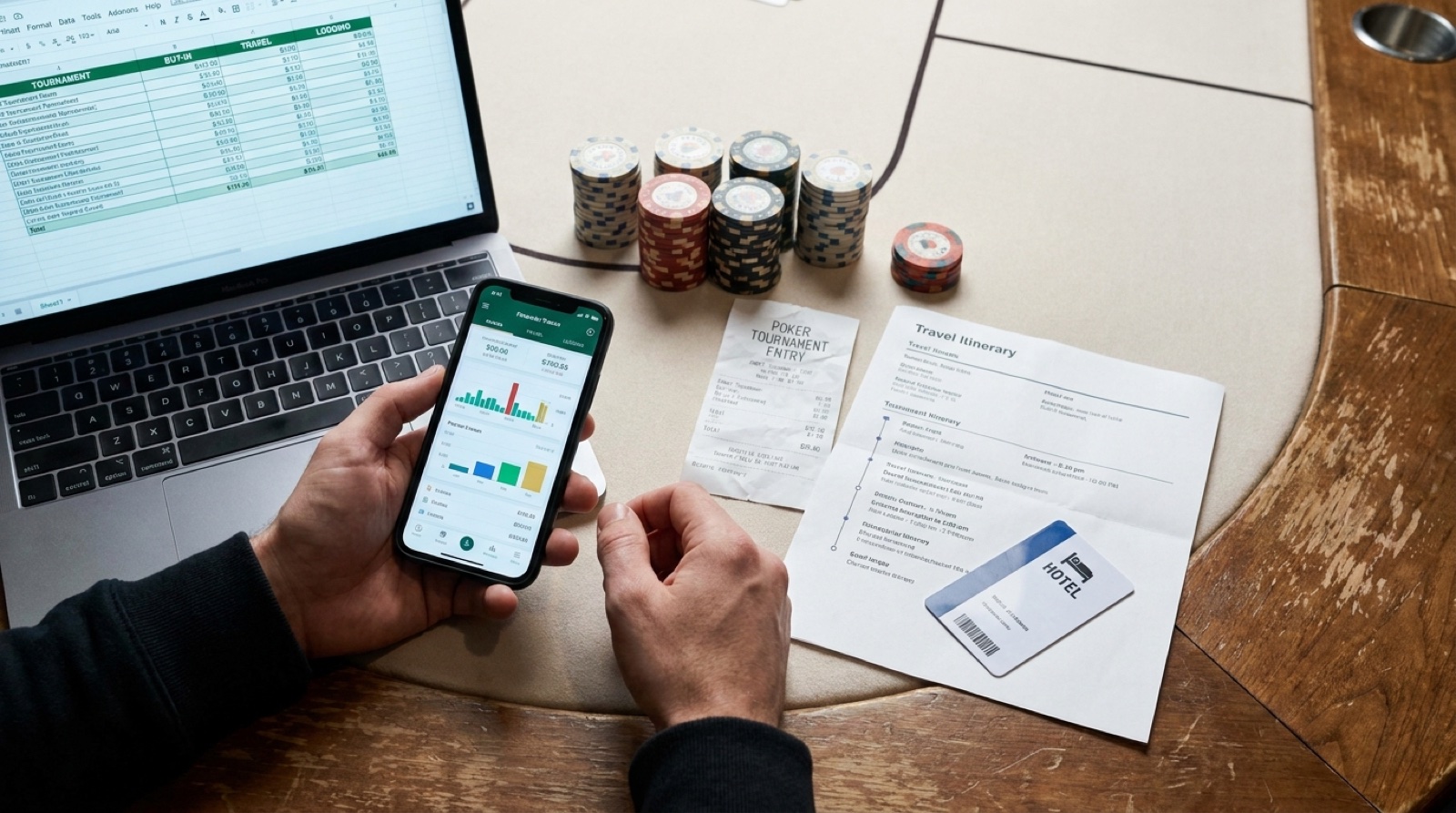 Tournament bankroll tracker: buy-ins, re-entries, and travel costs
 Poker satellite strategy: when folding aces preflop is right
 Mystery bounty psychology: do not be a lottery player
Read our blog