 Best poker study apps after you install a bankroll tracker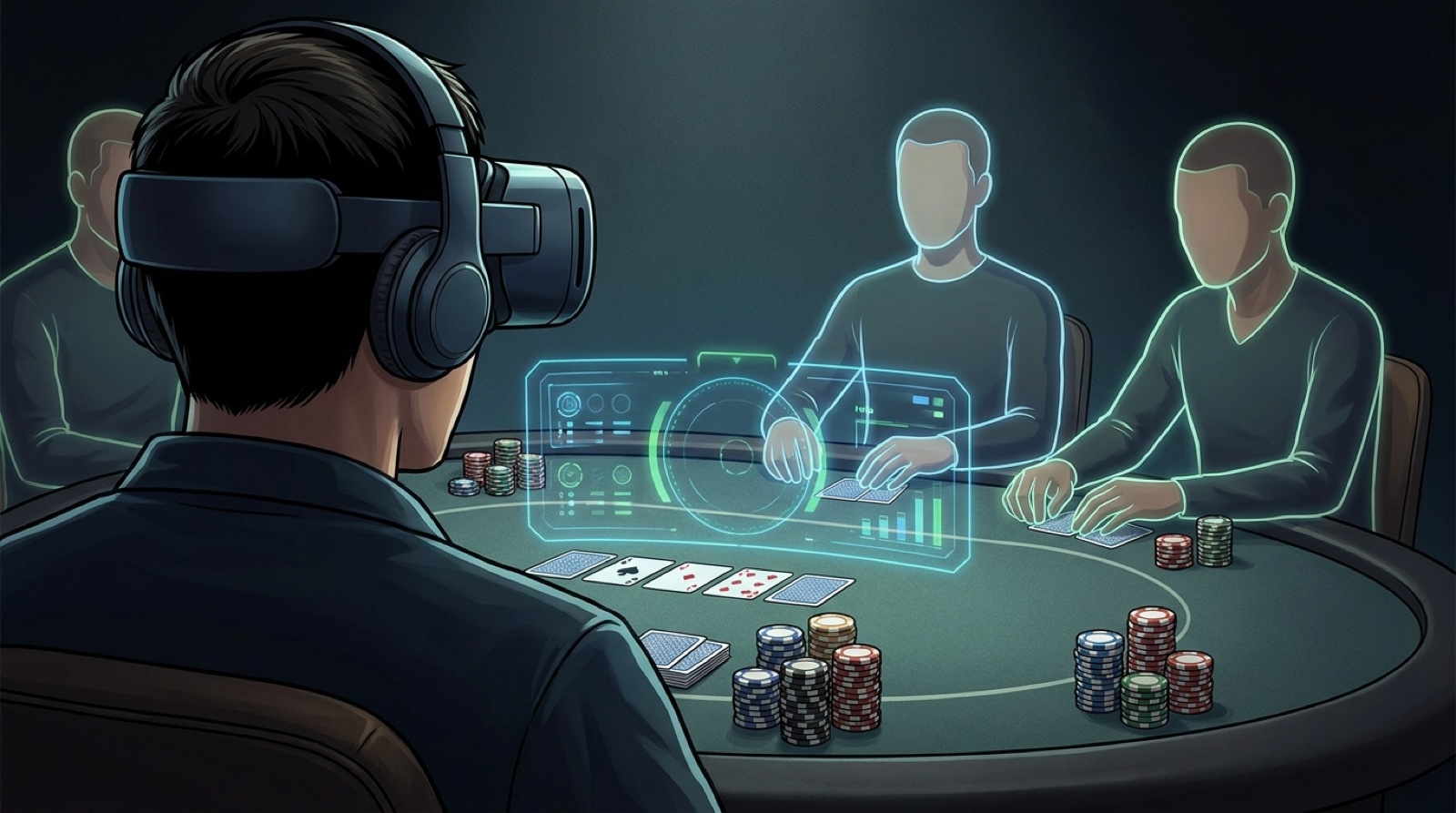
VR poker review searches usually start with the same hope: can a headset make you sharper at the real table, or is it just a fun casino game with avatars?
The honest answer is that VR poker is useful practice for a narrow set of skills. It can help you get comfortable with table rhythm, speech, chip handling, waiting for action, and playing while other people are watching you. It cannot replace tracked real sessions, good hand review, bankroll discipline, or live reads from real players handling real money.
I would treat VR poker like a practice room. Good for reps. Bad as your only teacher.
What VR poker is in 2026
The main VR poker product most players mean today is Vegas Infinite, the game that used to be called PokerStars VR. Flutter announced the rebrand in 2023 and described it as a free-to-play social casino videogame with poker and other casino games. The official Flutter announcement also says the product grew from a poker-only VR table into a broader virtual entertainment space.
The current Vegas Infinite download page says PC and VR players can play together, with no headset required on PC. It also lists Meta Quest, Steam, PlayStation VR2, and Android access. That matters because the player pool is no longer just headset owners.
There are limits to keep in mind. The Steam page marks the game as 18+ with simulated gambling, strong language, and alcohol or tobacco references. The PlayStation Store page notes that PlayStation VR2 is required for the VR features and warns that VR games may cause motion sickness for some players.
That is the current shape of the product: social casino first, poker practice tool second.
Where VR poker helps your game
VR poker can help if live poker makes you feel rushed. In a headset, you sit at a table, wait for your turn, watch chips move, hear table talk, and make decisions with people looking back at you. That is closer to live poker than clicking buttons in a browser.
The biggest benefit is table comfort. New live players often know the rules but still freeze when the action moves fast. They announce a bet wrong. They stare too long at their cards. They forget who is in the hand. A VR table can give them cheap reps without sitting in a casino with a full buy-in on the line.
It can also help with emotional control. Even fake chips can trigger impatience when you get bluffed, lose a big pot, or wait through slow decisions. If you notice yourself chasing in VR, you should take that seriously. The money is fake, but the reaction can be real.
Where VR poker fails as training
VR poker gets dangerous when players treat it like proof they are ready for bigger live games.
Many VR pools play looser than a real-money casino game. Players splash around because the cost is low. Some people are there to talk, throw props, or pass time. If you learn only from those lineups, you may start calling too wide and bluffing people who are not thinking about ranges in the same way a live regular would.
The tells are also different. Avatar movement is not the same as a real player's breathing, hand movement, chip handling, posture, and timing under money pressure. You can practice paying attention, but you should not build a live tell system from VR animations.
The last problem is results tracking. VR can show you whether you won or lost in that environment. It does not tell you whether your real bankroll plan is working across cash games, tournaments, home games, travel costs, rake, and emotional stop-loss decisions.
Use VR poker for reps, then track the real sessions
The best use of VR poker is simple: practice the parts of poker that feel awkward, then measure your real poker separately.
Here is a useful split:
| Skill | VR poker value | What to check in real sessions |
|---|---|---|
| Table rhythm | Good for getting used to live pacing | Do you act clearly and avoid rushed decisions? |
| Table talk | Good for comfort around strangers | Do you talk too much when stressed? |
| Tilt control | Useful for noticing emotional reactions | Do losing sessions change your next buy-in or game choice? |
| Hand quality | Mixed because play can be loose | Are your marked hands showing the same leak? |
| Bankroll decisions | Weak because the stakes are artificial | Are you following your stop loss and game plan? |

Download Poker Stack Now
"PokerStack is THE app you need to have as a live poker player."
Poker.com


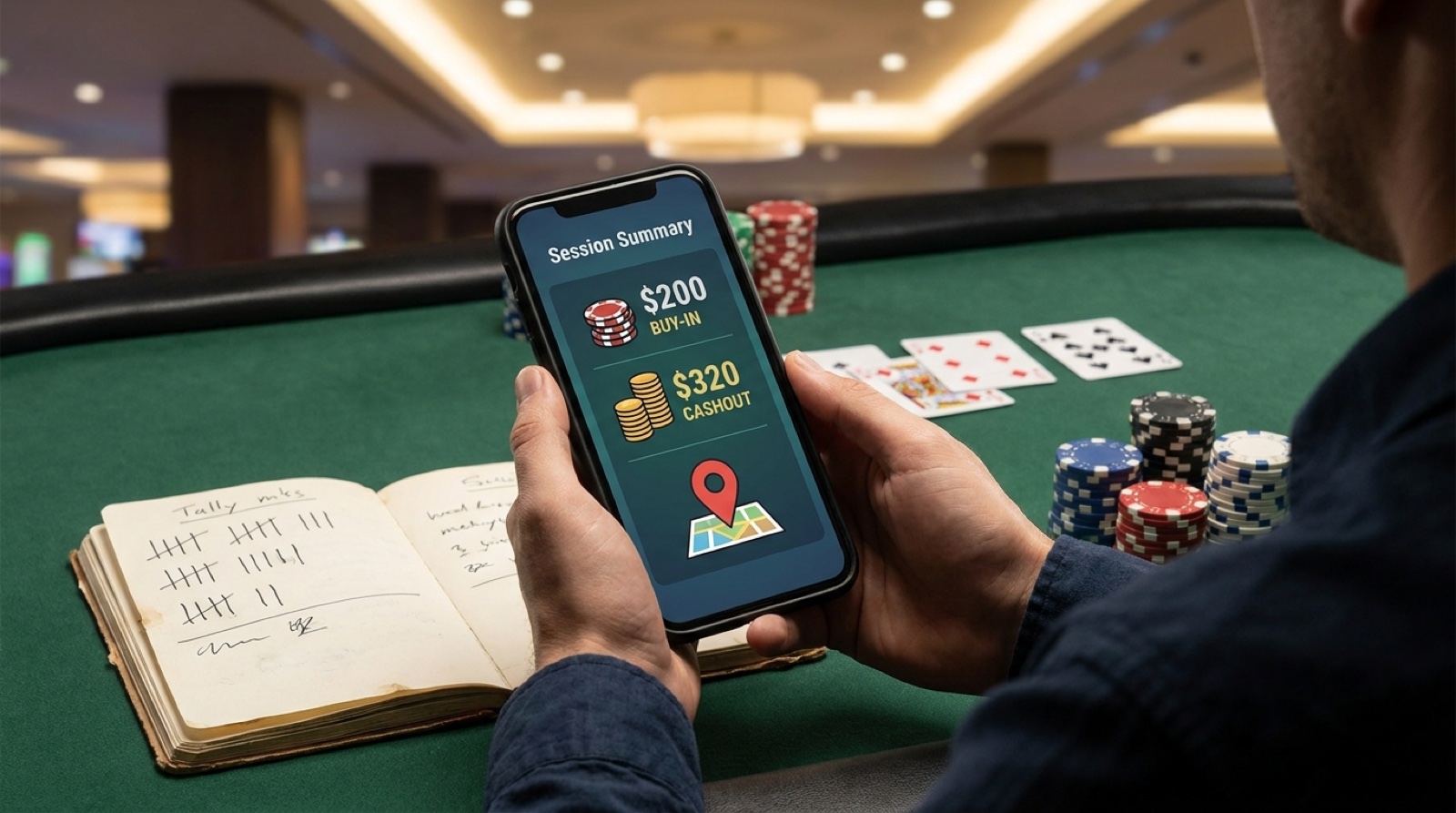
If you use Poker Stack, keep VR and real poker in different mental boxes. Use the app to track the sessions where money, travel, rake, and bankroll decisions count. For a simple base, start with what to record after every session and the live poker checklist.
A better way to review VR poker sessions
Do not review VR poker by asking whether you crushed the table. Ask whether the session exposed a habit.
- Did you get impatient after folding for ten minutes?
- Did you call because the table was joking around?
- Did you bluff someone who was clearly there to gamble?
- Did you keep playing after you were bored?
- Did you speak or act differently when someone needled you?
Those notes can transfer. The exact hands may not. A player who tilts in a free-to-play game should be extra careful when the same feeling shows up in a casino session.
After that, review your real hands with a routine like studying poker without solvers. VR can give you practice spots. Your real sessions should decide what you study next.
Who should try VR poker
VR poker is worth trying if you are new to live poker, nervous around table talk, curious about social poker, or looking for low-cost reps before a casino trip. It is also useful if you want to practice staying calm when a table gets loud or weird.
I would be more careful if you already have a solid live routine. If your main leak is bankroll discipline, poor table selection, bad stop-loss behavior, or chasing losses, VR poker will not fix that by itself. You need tracking and review, not more hands in a different environment.
Final verdict
VR poker is a real practice tool for table comfort. It is not a full poker training system.
Use it to get used to sitting in a poker environment, talking at the table, waiting for action, and noticing how you react when pots go wrong. Then judge your poker progress from real sessions, real notes, and real bankroll decisions.
If VR poker makes you more comfortable before your next live session, it did its job. If it makes you think fake-chip results prove you can move up in stakes, it is sending you in the wrong direction.
Related Poker Stack reading
Best poker study apps after you install a bankroll tracker Study poker without solvers: a weekly routine for normal players
 Live poker checklist: bankroll, stop loss, table selection, and notes
 Poker bankroll tracker app: what to record after every session
Read our blog