
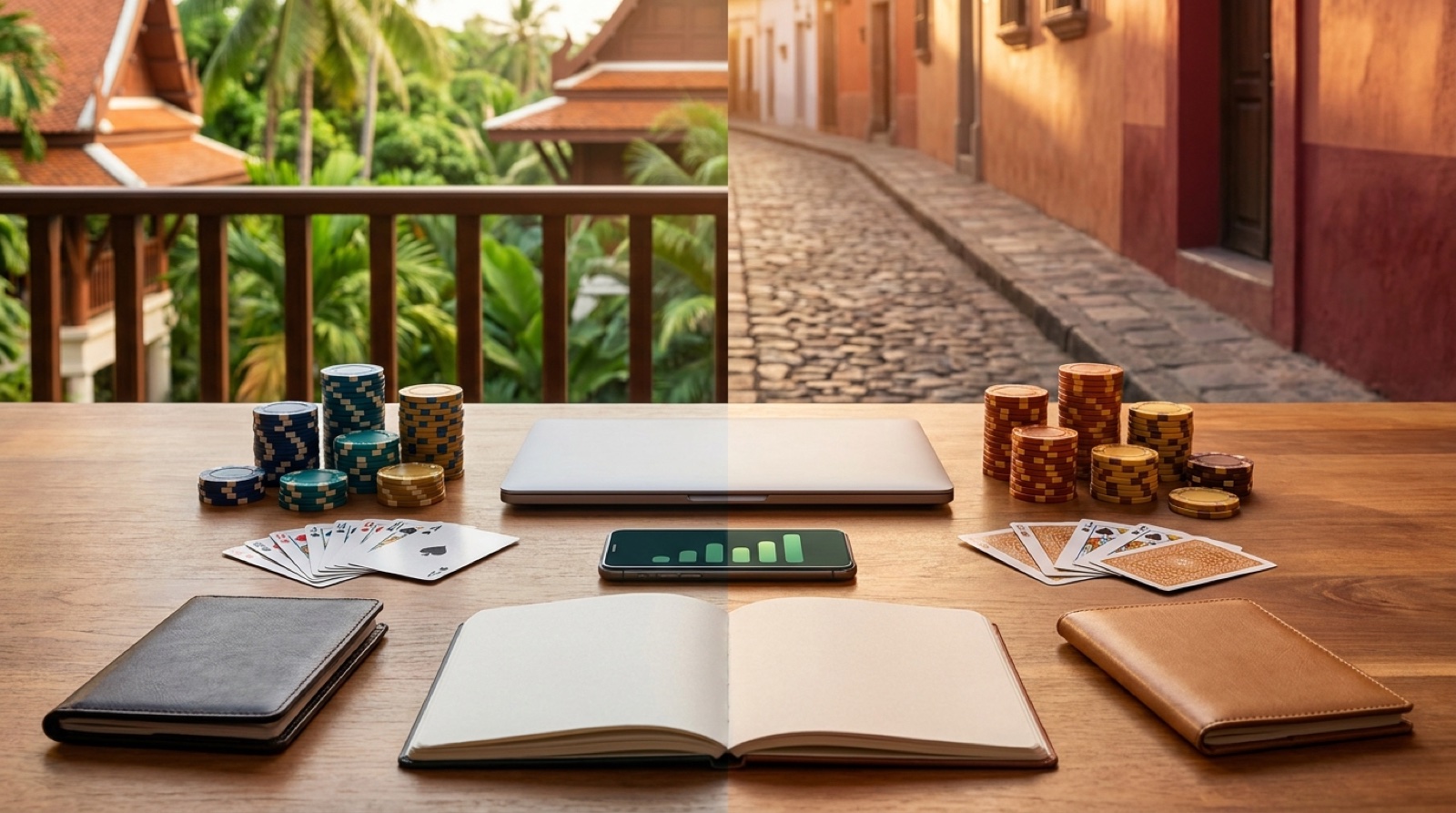
Poker in Asia has moved from side conversation to real planning option. If you play live tournaments or build trips around good games, Vegas should still be on the list. It should have to earn the flight, hotel, and bankroll risk like every other destination. The better question is whether a Vegas trip gives you the best mix of bankroll fit, game quality, travel cost, and time at the table.
Vegas still has the WSOP, huge cash-game volume, and a poker room density that is hard to beat. PokerNews reported that the 2026 WSOP Main Event drew 9,208 players and built an $85,625,100 prize pool, the fourth-largest Main Event in WSOP history. That is a live poker market with massive demand. It is also crowded.
Asia is getting attention because it gives players a different package. The Asian Poker Tour 2026 schedule lists major stops in Jeju, Taipei, Incheon, and a season-ending Taipei championship. Poker.org reported that APT Taipei 2026 became the largest regular-season festival in APT history, with 26,009 total tournament entries and about $19 million in combined prize pools. That is enough action to make a grinder at least check the numbers.
Vegas is huge, and size adds pressure
The lazy version of this debate is, "Vegas is tough, Asia is soft." I would not plan a poker trip on that alone. Soft games move. Good pros travel. Local player pools adapt. A lineup that looked great last year can be average by the time you arrive.
The real Vegas problem is cost pressure. Flights, hotel nights, resort fees, food, rides, tips, and higher daily spend all sit next to the buy-ins. If you fly in for a $1,500 tournament and brick three bullets, the poker loss is only part of the damage. Your off-table cost can quietly turn a reasonable shot into a bankroll mistake.
Asia gets interesting because the full trip can price differently. A player comparing Vegas with Taipei, Manila, Jeju, Incheon, or Vietnam should look at the complete poker budget, not only the main event buy-in.
Why Asia is now a real poker destination
The live calendar has more proof than hype. APT has five 2026 stops across Korea and Taiwan, including APT Incheon from August 7 to 16 and the APT Championship in Taipei from November 13 to 29. The same APT announcement listed a Jeju Classic Main Event guarantee of KRW 2.2 billion, about $1.5 million at the time of publication.
Manila also remains part of the serious Asia poker map. PokerStars LIVE Manila lists regular tournament action, including Manila Megastack, Manila Super Series, and APPT events. SoMuchPoker's 2026 Asia-Pacific calendar tracks confirmed dates, venues, and schedules across APT, WPT, U Series, APPT, and other regional tours.
For a tournament player, this matters because a trip can be built around a real schedule instead of one isolated event. For a cash player, it means the room is more likely to have traveling players, side action, and festival traffic during the right week. You still need to verify the current room schedule before you book. Poker rooms, local rules, and event dates can change fast.
The bankroll question most players skip
A poker trip is a bankroll event before it is a vacation. If you treat it like a vague "buy-in plus flight" plan, you can come home with no idea whether you played well, ran bad, chose the wrong games, or just spent too much away from the table.
Before you choose Vegas or Asia, write down the full number:
- Total flights and transport.
- Hotel or apartment cost for the full stay.
- Food, tips, and daily non-poker spend.
- Planned tournament bullets or cash-game buy-ins.
- Currency conversion and withdrawal fees.
- Emergency money that is not part of your poker roll.
If that number feels uncomfortable, the trip is too big for your roll. A cheaper destination does not fix bad bankroll planning. It only gives bad planning more room to hide.
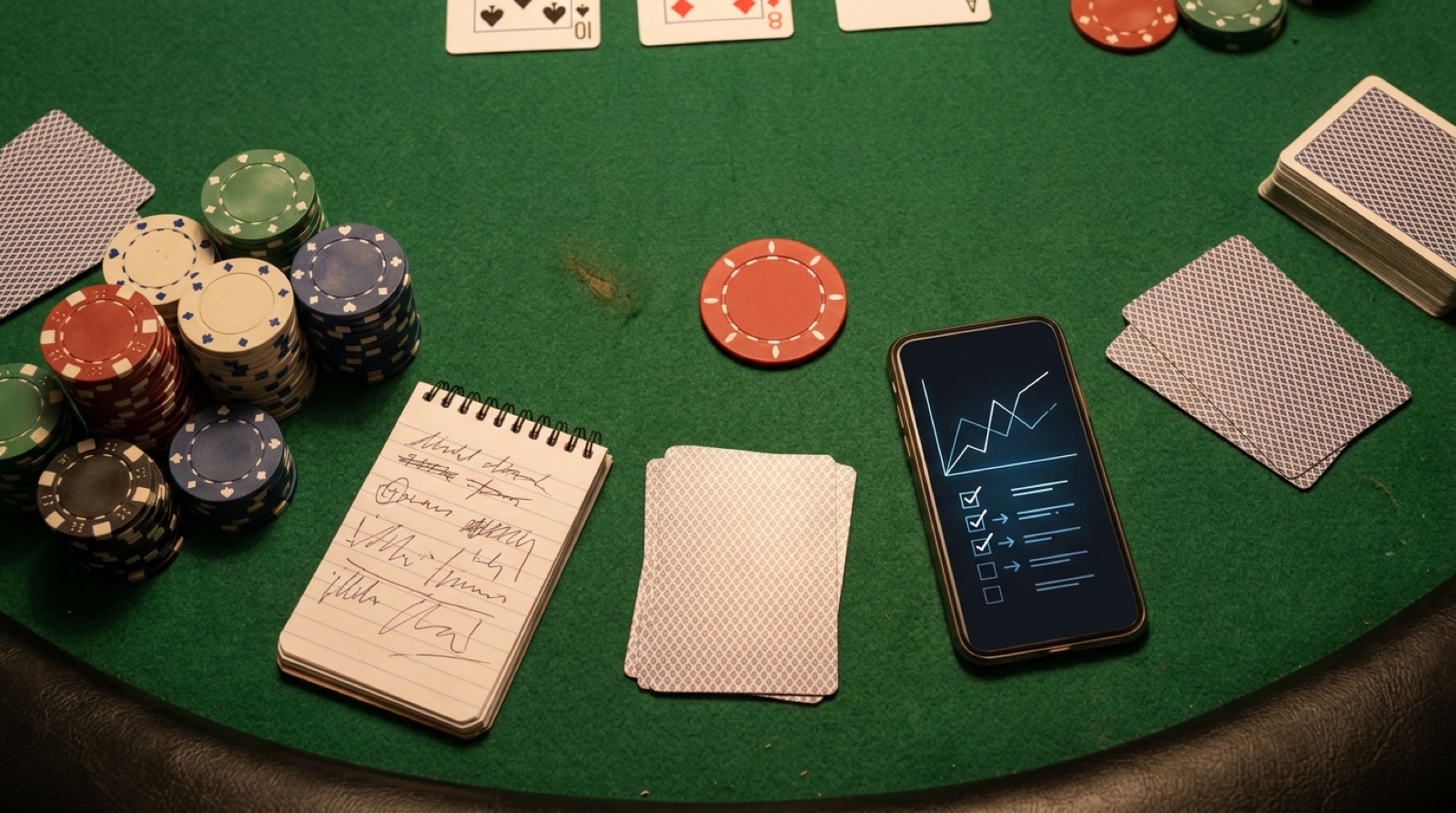
This is where a tracker helps. In our poker trip budget guide, I recommend separating poker results from travel cost so you can see the true trip result. Poker Stack is useful here because you can log sessions, location, stakes, buy-ins, cashouts, and notes while the details are still fresh.

Download Poker Stack Now
"PokerStack is THE app you need to have as a live poker player."
Poker.com


What to compare before booking Asia over Vegas
Do not pick a destination because it sounds cooler on a podcast. Compare the parts that affect your hourly rate and your risk.
Game availability
Vegas wins on raw access. You can find a poker room almost any day of the year. Asia is more event-driven. A great Taipei or Manila week can be excellent, while a random off-week may be much thinner. Check the current tournament calendar, cash-game room updates, and local player chatter before you buy the flight.
Rake and fees
Do not assume lower living cost means better games. Rake structure can erase a lot of value, especially in small-stakes cash. If the room uses timed rake, pot rake, jackpot drops, or tournament fees you do not understand, ask before you sit. Our poker rake tracker guide explains why the rake model can change whether a game is worth playing.
Field mix
Festival fields are not all the same. A big international stop can bring pros, qualifiers, local regulars, and recreational travelers into the same room. That can create good tables, but it can also make the main event tougher than expected. Watch side events, cash-game waitlists, and table selection instead of assuming the whole region has one fixed skill level.
Trip friction
Long flights, jet lag, language gaps, payment issues, and local rules affect your actual poker. If you need three days to feel normal after landing, the cheaper hotel did not really save you money. If you cannot move money cleanly or you are unsure about local poker rules, the risk belongs in the budget.
A simple tracking plan for a poker trip
If you want to compare Vegas with Asia honestly, track the trip like a small poker business. Keep the notes boring and specific.
- Log each session with city, venue, stakes, game type, buy-in, cashout, and hours.
- Add a short note on lineup quality, seat selection, and the main mistake or adjustment.
- Keep travel costs separate from poker results.
- Mark every tournament bullet, re-entry, swap, and travel-linked fee.
- Review the whole trip after you sleep, not in the airport while tilted.
If you already use a spreadsheet, fine. Just do not let it become a graveyard of half-entered numbers. A dedicated poker bankroll app makes the habit easier because the phone is already in your pocket when the session ends.
When Vegas still makes more sense
Vegas is still the better choice for some players. If you want maximum room choice, a familiar legal environment, simple English-language logistics, and a poker trip built around WSOP volume, Vegas remains hard to replace. It also gives you many backup plans if your first room is bad.
Asia makes more sense when you are willing to plan around specific festivals, compare full-trip cost, handle travel friction, and track the decision like a bankroll investment. The upside is real, but only if you do the work before booking.
Related Poker Stack reading
Final call
Vegas is still alive. It just lost the automatic default spot. Poker in Asia now has enough schedule depth and field size to deserve a real comparison.
The good player move is to price the whole trip, understand the room, protect your bankroll, and track every session well enough that the next trip gets sharper.
Read our blog