 Poker trip budget: before you book the flight, track the real cost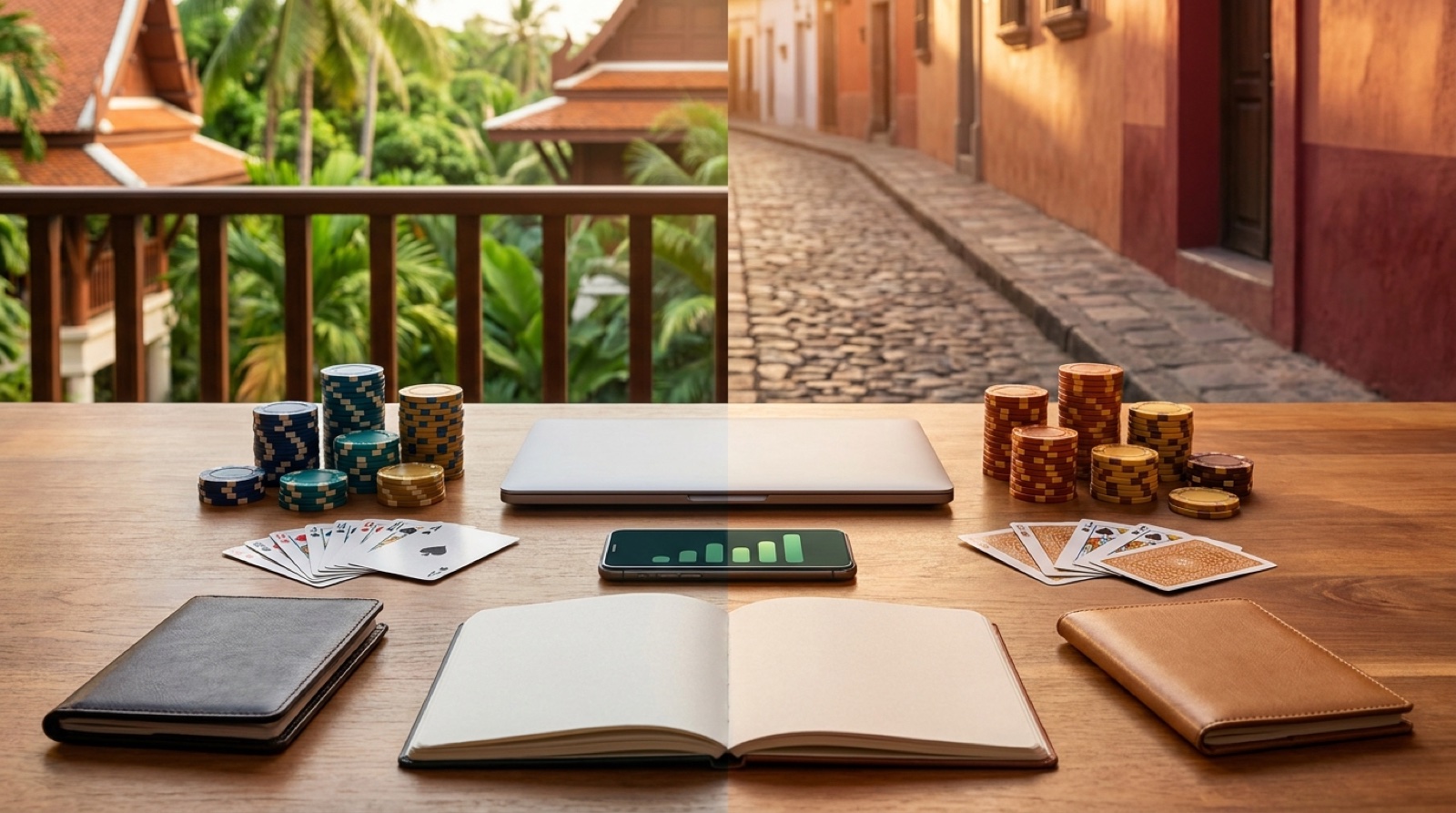
A poker digital nomad does not need the prettiest beach. He needs a place where the games, time zone, internet, visa path, banking, safety, and real monthly costs do not wreck the bankroll.
Thailand and Mexico both sell the same dream: lower costs, warmer weather, other grinders around you, and a lifestyle that feels less heavy than playing from home. The mistake is treating the move like a vacation. A grind house is still a poker operation. If your living cost jumps, your game volume drops, or your time zone kills your best games, the beach tax is real.
This guide is practical travel and bankroll planning, not legal, tax, immigration, or financial advice. Visa, tax, and safety rules change. Check current official sources and talk to a qualified adviser before you move money, change residency, or book a long stay.
The quick answer
Thailand is usually the better pick if your main edge is low monthly burn, Asian time zones, and a strong remote-work scene. Mexico is usually better if you need North American time zones, easier trips back to the U.S. or Canada, and a live/social poker circle closer to home. The winner depends less on the country and more on your tracked hourly, your real cost of living, and your ability to keep playing your best games.
Compare the move like a bankroll decision
Before you argue Chiang Mai versus Playa del Carmen, put both options into the same poker budget. A cheaper apartment does not help if flights, visas, insurance, co-working space, currency fees, game access, and missed volume eat the difference.
Build a simple monthly line-up:
- Rent and deposit
- Food, transport, gym, phone, and internet backup
- Flights, visa costs, extensions, and border trips if required
- Health insurance and emergency cash
- Live poker travel, home-game transport, and table fees
- Online poker tools, study tools, and payment fees
- One bad-month buffer where volume drops or games dry up
Then compare that number with your tracked win rate, not your best month. Poker Stack is useful here because a move like this can blur life money and poker money fast. Track sessions, travel costs, rebuys, and bankroll changes in one place so you know whether the country is helping your game or just making the downswing look scenic.
Thailand: lower burn, Asia hours, more friction for North America
Thailand has a clear appeal for grinders. Chiang Mai, Bangkok, Phuket, and parts of the islands have deep remote-worker scenes, plenty of furnished rentals, and a cost base that can be friendly to a poker bankroll if you avoid tourist-mode spending.
The time zone is the first serious filter. If your best games are in Asia, Australia, or Europe, Thailand can fit. If your edge comes from North American evening games, you may be playing through the night. Some players can do that for a month. Fewer can do it for a year without sleep, study, and exercise falling apart.
Thailand also has a long-stay route worth checking. The official Thai e-Visa site lists the Destination Thailand Visa, and current DTV guides describe it as a route for remote workers and long-stay visitors with financial proof requirements. Do not rely on a blog post for the final rule. Requirements can depend on your passport, consulate, and documents.
The good Thailand setup usually looks boring: stable apartment, fiber internet, mobile hotspot, quiet desk, nearby gym, and a schedule that does not turn every session into a 3 a.m. punt. The bad setup looks fun on Instagram and awful in a bankroll graph.
Mexico: better North America rhythm, higher location variance
Mexico is the cleaner choice for many North American players because the time zones are easier. Mexico City, Playa del Carmen, Merida, Guadalajara, and other hubs can let you keep normal hours while still living outside the U.S. or Canada.
The trade-off is location variance. Some places are cheap and practical. Some popular nomad spots price like a trend with palm trees. You also need to treat safety as part of the plan, not a footnote. The U.S. State Department's current Mexico travel advisory is a useful starting point because risk differs by state and city.
Mexico does not have one magic poker-player visa. Remote workers often look at visitor status or temporary residence routes, but the details depend on nationality and consulate. Mexican consulate pages, such as the Orlando consulate's temporary resident economic solvency requirements, show why you should verify income, savings, and remote-work documentation before you plan around a long stay.
Mexico can be excellent when your poker income depends on North American game hours. It can be a leak when the city is expensive, nightlife pulls you out of routine, or you keep moving every few weeks and never build a stable grind setup.
Internet and backup plans matter more than the view
A poker grind house needs boring reliability. One dropped connection in a big online pot can cost more than a month of cheap rent. Before you sign a lease, ask for a speed test from the actual unit, not the building lobby. Check mobile data coverage. Know where you can play if the power goes out.
Use public speed data only as a first filter. Ookla's Speedtest Global Index is useful for country-level context, but your actual grind depends on the building, router, wiring, mobile provider, and power stability in that neighborhood.

Download Poker Stack Now
"PokerStack is THE app you need to have as a live poker player."
Poker.com


For live players, the internet issue becomes transport and game access. A cheap city is not cheap if every decent game needs a flight, a risky home-game invite, or a long taxi ride with a big cash float.
The tax and residency trap
This is where players get sloppy. Living somewhere does not automatically mean your tax life is simple. Leaving somewhere does not automatically end obligations there. Online poker income, staking, swaps, backing, crypto rails, payment processors, and foreign bank accounts can create reporting duties that have nothing to do with where your laptop is sitting.
Treat every country comparison as a question list, not a promise:
- Where are you tax resident now?
- What makes you tax resident in the new country?
- Can you legally work remotely there?
- How are gambling winnings treated for your citizenship and residence?
- Can you access poker sites, banking, and payment rails without breaking terms?
- What happens if you stay longer than planned?
If the answer is unclear, get professional advice before moving. A bad tax or visa assumption can wipe out the savings from a cheap apartment.
Which country fits which poker player?
Thailand fits the player who wants low burn, warm weather, Asia-friendly hours, and a strong remote-worker base. It is weaker for players who need North American peak hours or who lose discipline when every week feels like travel.
Mexico fits the player who wants North American time zones, easier regional travel, Spanish-speaking city life, and a closer path back to U.S. or Canadian games. It is weaker for players who underestimate city-by-city safety, tourist pricing, and lifestyle creep.
Neither country fixes a weak poker routine. If you do not track results at home, you will not magically become disciplined abroad. You will just have more reasons to explain away bad volume.
A simple pre-move poker checklist
- Track your last 50 sessions before moving.
- Write your real hourly, not your hoped-for hourly.
- Build a Thailand budget and a Mexico budget with the same categories.
- Add a three-month emergency buffer outside your poker bankroll.
- Confirm visa, tax, banking, insurance, and site access with current sources.
- Run a two-week test schedule before committing to a long lease.
- Keep trip costs separate from session results.
If you use Poker Stack, tag sessions by city or trip and add notes on game quality, time of day, venue, and sleep. After a month, the answer gets less emotional. You can see whether Thailand or Mexico improved your decisions, your volume, and your bankroll.
Verdict: pick the place that protects your best hours
Thailand versus Mexico is not a lifestyle debate. It is a schedule, cost, and risk debate. Pick Thailand if the lower burn and Asia rhythm help you play better. Pick Mexico if North American hours and easier regional access matter more. In both cases, track the whole move like a poker investment.
The dream is not to live somewhere cheap. The dream is to keep your A-game, protect your bankroll, and stop guessing whether the move is paying for itself.
Sources checked
- Thai e-Visa: Destination Thailand Visa
- ThaiEmbassy.com DTV guide, updated June 2026
- Consulate of Mexico in Orlando: temporary resident economic solvency requirements
- U.S. State Department: Mexico travel advisory
- Ookla Speedtest Global Index
Related Poker Stack reading
Poker trip budget: before you book the flight, track the real cost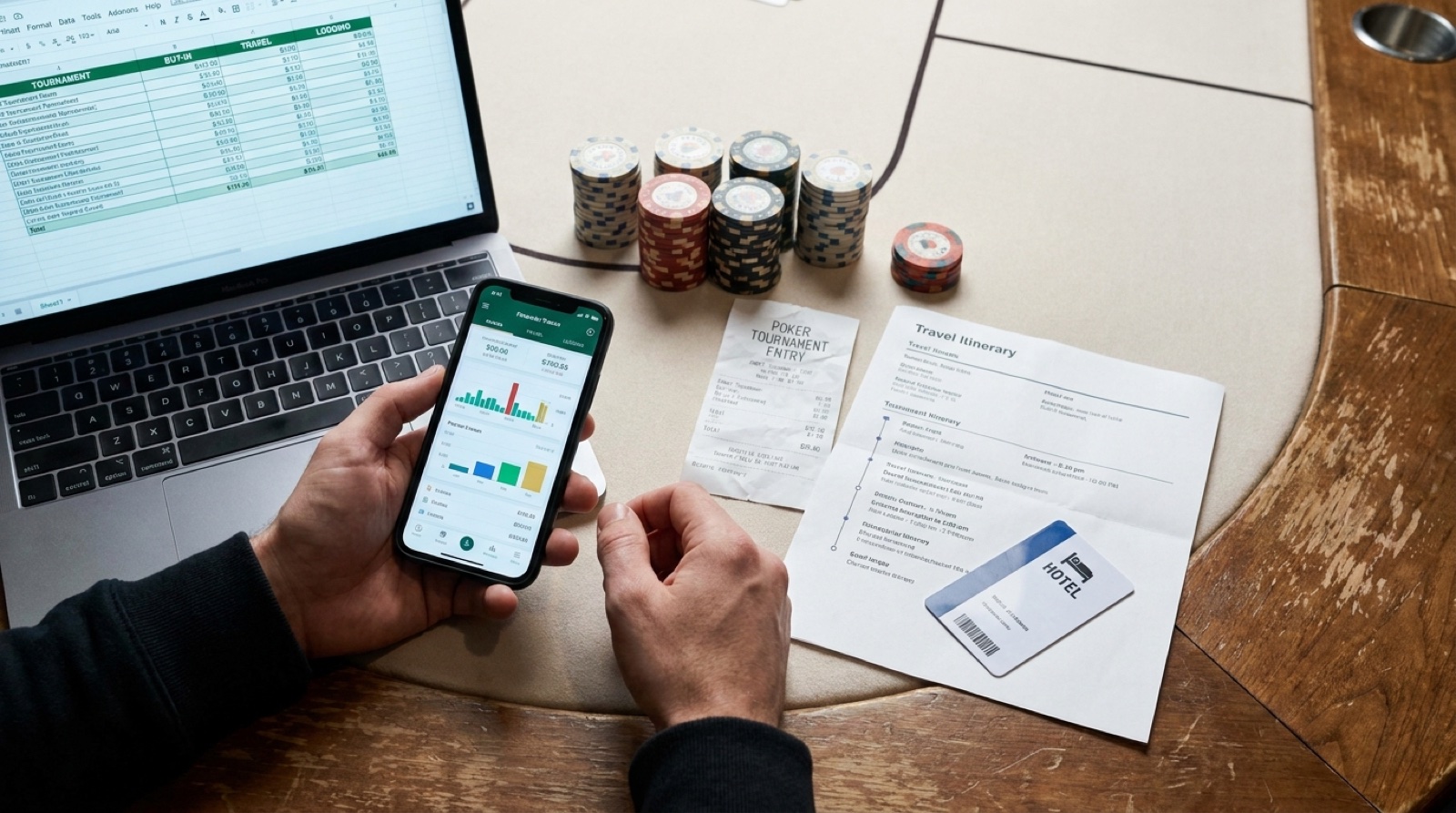 Tournament bankroll tracker: buy-ins, re-entries, and travel costs
 Texas poker: the wild west of rake and security
 Live poker checklist: bankroll, stop loss, table selection, and notes
Read our blog