You can beat 50NL online and still feel lost in a $1/$2 live poker game. Your fundamentals may be good. The game is slower, looser, louder, and full of spots your online setup filters out for you.
Online poker rewards volume and precision. Live poker rewards patience, observation, and simple exploitative decisions. A full-ring live game often deals only about 25 to 30 hands per hour, according to Upswing Poker's hands-per-hour breakdown, so every boredom mistake hurts more.
If you are moving from online to live poker, break these five habits before your next casino session.

The rules are the same. The incentives change. Live players call more preflop, talk more during hands, and create more multi-way pots. SplitSuit's live cash-game notes make the same point: the live pace gives you more time to watch opponents and fewer chances to recover from sloppy hands.
1. Stop using online open sizes
The online habit: You open to 2.2x or 2.5x because the sizing works in tougher, faster pools.
The live adjustment: In many $1/$2 and $1/$3 games, that raise size just invites callers. If five people call your small open, your strong one-pair hands lose a lot of their clean value.
Start by watching what actually gets through at your table. If $8 gets five callers and $15 gets two callers, the larger size may be the better live poker strategy. Add more when there are limpers, especially with hands that want to play heads-up or three-way.
2. Treat multi-way pots as normal
The online habit: You think in heads-up ranges, blocker effects, and small continuation bets.
The live adjustment: Low-stakes live pots go multi-way all the time. Bluffing into four players with air is usually lighting money on fire.
Multi-way pots need more discipline. Bet your clear value hands, semi-bluff with real equity, and check more of the medium-strength hands that hate getting raised. Poker.org's guide to multi-way pots at low and mid stakes is a useful reminder that these spots punish automatic aggression.
| Online habit | Live leak | Better live adjustment |
|---|---|---|
| Small opens | Too many callers | Raise to a size that isolates one or two players. |
| Auto c-betting | Spewing into multi-way pots | Check more missed hands and value bet harder. |
| HUD dependence | Missing live information | Track showdowns, table talk, timing, and bet sizing. |
| Multi-table pace | Playing out of boredom | Use the downtime to profile opponents. |

Download Poker Stack Now
"PokerStack is THE app you need
to have as a live poker player."
Poker.com


3. Build a live HUD from people
The online habit: You rely on HUD stats, hand histories, and quick notes.
The live adjustment: The table gives you information if you listen for it. A player who announces every draw, complains before folding, or suddenly gets quiet on the river is giving you something a stat box cannot show.
Leave the headphones off for your first few sessions. Watch who limps too much, who never 3-bets light, who value bets thinly, and who only raises with the nuts. If live reads interest you, pair this article with our guide to poker tells.
4. Protect yourself from boredom
The online habit: You play several tables at once and make decisions nonstop.
The live adjustment: Live poker makes you wait. That waiting is where many online players punt.
Keep your range steady when nothing has happened for 40 minutes. Use the time to record mental notes: who is stuck, who is tired, who is drinking, who hates folding blinds, and who looks ready to leave. The live-adjustment discussion on Run It Once also comes back to patience, larger preflop sizing, and fewer automatic bluffs.
5. Respect passive river aggression
The online habit: You call down because opponents can bluff missed draws and represent blockers.
The live adjustment: Many low-stakes live players under-bluff big river raises. When a quiet caller suddenly raises the river, the default assumption should be value until proven otherwise.
You can still call with strong hands. First ask whether this exact player has shown any interest in bluffing. If the answer is no, folding two pair can be the cleanest money-saving decision of the night.
Track live poker separately from online poker
The biggest mistake is mixing all your results together and calling it one win rate. Live poker has travel time, tips, slower volume, different stakes, and different emotional pressure. Track it separately.
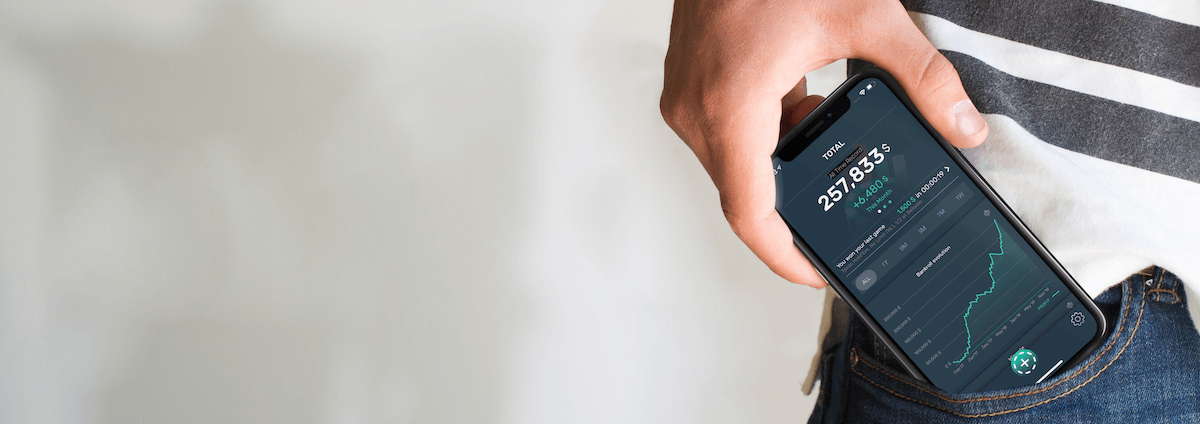
Poker Stack lets you log live sessions by stake, location, format, buy-in, cash-out, and notes. Use it alongside our guides to poker tracking, poker bankroll management, and important poker statistics so your live game improves from evidence instead of memory.
FAQ
Is live poker easier than online poker?
Often, yes, at the same nominal stakes. The tradeoff is that live poker starts at higher stakes, moves slower, and creates more social pressure. A good online player still needs live-specific adjustments.
What is the biggest online to live poker adjustment?
The biggest adjustment is preflop. Live players call more often, so your small online opens may create too many multi-way pots. Size up with strong hands and stop bluffing as if every pot is heads-up.
How many hands per hour do you see in live poker?
A full-ring live game often deals about 25 to 30 hands per hour. That is much slower than online poker, which is why patience matters so much.
Should online players use GTO in live poker?
Good fundamentals still matter. Low-stakes live poker rewards exploitative adjustments. If someone calls too much, value bet bigger. If someone never bluffs rivers, fold more often when they raise.
Final thought
Switching from online to live poker changes the environment around your decisions. Keep your online discipline, then add live observation, bigger value bets, cleaner folds, and better session tracking.
Popular Posts
Everything You Need to Know About Poker Tracking
Track results, stakes, locations, formats, and notes so your live poker adjustments are based on real sessions. more...

The Old Man Coffee Survival Guide
Learn how to spot the tight live regular who looks harmless until the river raise comes in. more...
Read our blog