Poker discipline is easier when the numbers are in front of you. If you only remember the big wins, the bad beats, or the one session where you ran hot, your poker bankroll starts to feel larger than it really is. Bankroll tracking fixes that. It gives you a clean record of your sessions, stakes, wins, losses, hours, and decisions so your next game is based on facts instead of mood.
A poker bankroll is the money set aside for poker only. It is separate from rent, bills, savings, and normal spending money. Upswing Poker defines a bankroll as the money a player draws from to play poker, and that separation matters. If your poker money is mixed with your life money, every downswing becomes harder to judge.
Good poker bankroll management starts with a simple question: can my bankroll handle this game if variance hits today? Tracking gives you the answer before you sit down.
Track your own results: The Poker bankroll tracker app guide explains what Poker Stack records, when an app beats a spreadsheet, and how to review sessions with less guesswork.
What bankroll tracking should tell you
Bankroll tracking is not only a list of wins and losses. A useful log should answer practical questions after every session:
| Question | Why it matters |
|---|---|
| What did I play? | Game type, stakes, and location show where your results are coming from. |
| How long did I play? | Hours matter because a small win after 10 hours may be weaker than it feels. |
| What was the real result? | Buy-ins, cash-outs, tips, and fees keep the number honest. |
| Was I playing my plan? | Notes help you spot tilt, boredom, bad table selection, and rushed decisions. |
| Should I move stakes? | Your bankroll trend tells you when to move down, stay put, or take a shot. |
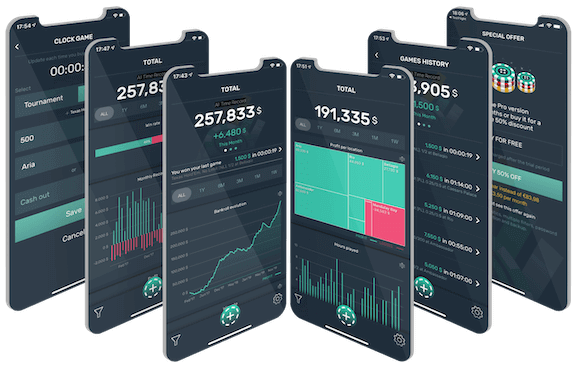
This is where a dedicated tracker beats memory. A spreadsheet can work if you update it every time. A mobile app such as Poker Stack is easier at the table because you can log the session before the details disappear.
How tracking builds poker discipline
Discipline sounds like a personality trait, but in poker it is often a system. If your system makes bad choices visible, you have a better chance of fixing them.
It stops stake creep
Stake creep happens when you slowly move into bigger games without a clear reason. One strong week turns into one bigger buy-in. Then a loss feels like something you need to win back. Tracking slows that down because it shows your current bankroll, your recent results, and the size of each buy-in as a percentage of your poker money.
PokerNews explains bankroll management as controlling your bankroll so you are not risking more than you can afford to lose. That is easier when every session is recorded, not guessed.
It makes tilt patterns obvious
Tilt rarely looks the same from inside the session as it does later. In the moment, a bad call can feel justified. After five sessions, the pattern may be clear: longer sessions after losses, bigger games after a win, or poor results after playing tired.
A short note after each session can be enough. Write one sentence about table quality, emotional control, and your biggest mistake. Over time, those notes can teach you more than one lucky score.
It separates results from decisions
Good poker players can lose while making good decisions. Bad sessions do not always mean bad play. Tracking helps because you can compare the session result with the decision quality you wrote down right after playing.
If your bankroll is dropping but your notes show repeated mistakes, you have a study problem. If your bankroll is dropping while your notes show solid game selection and normal variance, you may need patience and better risk control. Either way, you know what to work on.

Download Poker Stack Now
"PokerStack is THE app you need to have as a live poker player."
Poker.com


What happens when you do not track
Without a bankroll record, poker gets emotionally blurry. You remember the biggest hands, but not the quiet leaks. You remember the wins, but not the fees, tips, travel costs, and small losing sessions that add up.
Players who do not track often run into the same problems:
| Problem | What tracking changes |
|---|---|
| Overspending | You see how much poker money is actually available. |
| Chasing losses | You can spot sessions where the stop-loss was ignored. |
| Poor table selection | You can compare win rates by venue, stake, and format. |
| Moving up too soon | You can set a bankroll rule before the bigger game appears. |
| Unclear tax records | You keep cleaner win and loss records for later review. |
The recordkeeping point matters. In the United States, the IRS says gambling losses require an accurate diary or similar record if you want to claim them. Rules vary by country, so treat this as a reason to keep clean records, not tax advice.
There is also a responsible gambling angle. The Responsible Gambling Council notes that it is easy to lose track of gambling spending. A poker tracker helps you keep the game inside a budget instead of letting a bad night decide the number for you.
A simple bankroll tracking routine
You do not need a complicated system. You need a routine you will actually keep using.
1. Set your poker bankroll
Pick a number that is only for poker. Do not include money you need for normal life. If the bankroll drops, your stakes should drop with it.
2. Log every session
Track the date, location, game type, stakes, buy-in, cash-out, hours, and result. For online poker, separate each site or format if your results differ. For live poker, add the room or private game so you can review game selection later.
3. Add one honest note
Write one short note after every session. It can be as simple as "left too late", "good table, bad river call", or "moved down and played well". These notes turn your results into useful feedback.
4. Review once a week
Do a short weekly review. Look at total profit or loss, hours played, best and worst games, biggest mistake, and whether your bankroll still supports your stakes. This is also a good time to study one weak spot using a guide such as our how to get good at poker article or our poker equity guide.
5. Make the next decision smaller
The goal is to make the next decision easier. If your results show that one game is too big, move down. If one venue keeps producing good results, play there more often. If one mistake keeps appearing, study it before your next session.
Bankroll tracking vs. poker tracking
Bankroll tracking answers money questions. Poker tracking answers performance questions. The best system connects both.
For example, bankroll tracking tells you that you lost $1,200 this month at $2/$5. Poker tracking can tell you whether those losses came from too many hours, poor table selection, bad river calls, or normal variance. If you want a broader view of the topic, read our guide to poker tracking.
Poker Stack is built for this kind of review. You can log live and online sessions, keep your bankroll history clean, separate game types, and check whether your results match the stakes you are playing.
FAQ
How does bankroll tracking improve poker discipline?
It turns discipline into a visible record. You can see whether you followed your stake rules, stopped when you planned to stop, and kept poker money separate from normal money.
What should I track after each poker session?
Track date, game type, stakes, location, buy-ins, cash-outs, hours played, profit or loss, and one short note about your play or mindset.
Can bankroll tracking stop tilt?
It cannot stop tilt by itself, but it makes tilt easier to spot. If the same bad pattern appears in your session notes, you can build a rule around it.
Is a poker bankroll tracker better than a spreadsheet?
A spreadsheet works if you update it every time. A poker bankroll tracker is usually easier because your phone is already with you when the session ends.
Final thought
Bankroll tracking will not make every session profitable. It will make your poker decisions harder to hide from. That is the point. If you know your bankroll, your stakes, your leaks, and your emotional patterns, you can play with a clearer head and protect the money that keeps you in the game.
Start with one habit: log every session before you leave the table. The rest gets easier after that.
Read our blog