Playing poker professionally sounds simple from the outside: win enough money at the tables, then do it for a living. In practice, it is closer to running a one-person business with unstable revenue, emotional pressure and a market full of other people trying to take your edge.
The goal is not to feel like a professional. The goal is to have evidence that you can beat your chosen games after rake, expenses, bad months and normal life costs. Until you have that evidence, poker should stay part time.

What professional poker really means
A professional poker player earns a meaningful part of their income from poker. That does not mean they win every session. It means they have a repeatable edge, manage risk and make decisions based on long-term expected value instead of short-term emotion.
Professional poker is not just better card play. It also includes bankroll planning, game selection, record keeping, study, schedule control, emotional discipline and honest review. The players who skip those parts usually discover that talent is not enough.
Step 1: prove your win rate before changing your life
The first serious question is not "Am I good?" It is "Do my records prove I am winning in the games I actually play?"
You need a large enough sample to see through short-term variance. A few winning nights, one deep tournament run or one hot month is not proof. Track hours played, stakes, format, location, session result, expenses and notes. Then review your hourly rate, downswings, best games and worst leaks.
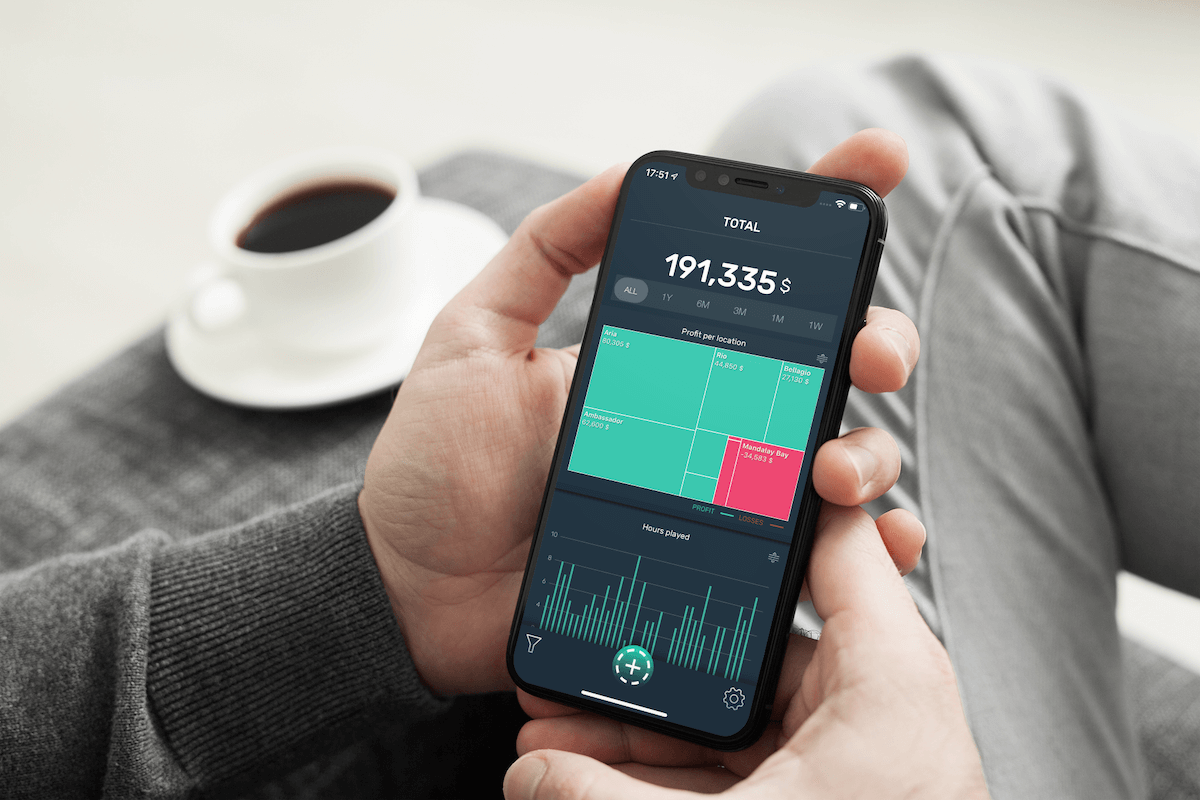
Poker Stack is built for this part of the process. It lets you record live and online sessions, review performance by game type and stakes, and see whether your bankroll is growing because your decisions are good or because you recently ran well.
Start with our guide to poker bankroll management if you do not already have a tracking system.
Step 2: separate your poker bankroll from real life money
A professional bankroll is not the same thing as savings. Your poker bankroll is the money you use to play. Your life roll is the money that pays rent, food, insurance, travel, taxes and the months when poker does not cooperate.
If those two pools are mixed together, every downswing becomes personal. You start playing scared, moving down too late, chasing losses or taking shots because bills are coming due. That is not a professional setup.
As a rough starting point, cash-game players often want dozens of buy-ins for their regular stake. Tournament players usually need a much larger buffer because results are more volatile. The exact number depends on your format, win rate, risk tolerance and living expenses.
Step 3: choose one format and specialize
Professional poker rewards focus. Cash games, live tournaments, online tournaments, sit-and-gos, mixed games and private games all require different skills. Trying to master everything at once slows your progress.
- Cash games reward deep-stack decisions, table selection, patience and steady hourly performance.
- Tournaments offer big upside, but they bring bigger variance and long stretches without major scores.
- Online poker gives more volume and faster feedback, but the games are often tougher.
- Live poker gives slower volume, but weaker games can still exist if you choose tables well.
If you are deciding between environments, read our guide to online vs offline poker.
Step 4: build the core skills that keep a pro profitable
A professional poker player needs more than confidence. These are the skills that create a real edge:
- Position awareness: play more hands when you act later and fewer hands when you lack information.
- Hand selection: avoid marginal spots that look exciting but lose money over time.
- Pot odds and equity: know when a call is profitable and when a draw is too expensive.
- Value betting: get paid by worse hands instead of checking back too often.
- Bluff discipline: bluff in spots where your story makes sense and your opponent can fold.
- Tilt control: protect your next decision from the last bad beat.
- Game selection: spend more time in games where your edge is real.
For the math side, use our guide to probability in poker and our article on important poker statistics.
Step 5: create a weekly study routine
Professionals do not only play. They study. A simple routine is better than a vague plan to "get better." Review difficult hands, tag mistakes, compare your decisions against ranges, work on one leak at a time and talk through spots with stronger players when possible.
A practical weekly routine might include:
- One review of your biggest losing hands.
- One review of hands where you won but felt unsure.
- One focused study block on a single topic, such as turn barrels or blind defense.
- One bankroll review to decide whether stakes, volume or game selection need adjustment.
Solvers and training tools can help, but they should not become an excuse to avoid playing good games. Study is there to improve your decisions, not to make poker feel academic.

Track poker like a professional
Your sessions, bankroll and long-term results in one place.


Step 6: know when you are not ready
One of the most professional decisions in poker is admitting you are not ready to go full time yet. That is not failure. It is bankroll protection.
Be careful if any of these are true:
- You do not know your hourly rate.
- You cannot explain your biggest leaks.
- You need poker winnings to pay immediate bills.
- You move up in stakes after a good week and move down only after damage is done.
- You tilt harder when money matters outside the game.
- Your results depend on one unusually soft game that may disappear.
A safer path is to play part time, keep your main income, build a larger sample and let the records tell you when the risk is smaller.
Step 7: treat poker as a business
If poker becomes income, you need business habits. Keep clean records. Track travel, fees and other costs. Understand your local tax obligations. Plan for health insurance, time off and months when your income drops.
This is where many talented players struggle. They can beat the table but not the lifestyle. A professional schedule needs sleep, exercise, study, breaks and social balance. Burnout makes even good players careless.
Can you play poker for a living?
Yes, but it is difficult and not romantic most days. You need an edge, volume, discipline and the ability to handle losing stretches without changing into a worse version of yourself at the table.
The best first milestone is not quitting your job. It is proving that poker can produce stable side income over a serious sample while your bankroll grows and your life remains calm.
Should you quit your job to become a pro?
Most players should not quit quickly. Consider full-time poker only when you have all of these:
- A tracked winning record over a meaningful sample.
- A dedicated poker bankroll for your chosen stakes.
- A separate life roll that covers several months of expenses.
- A clear plan for taxes and irregular income.
- A study routine you actually follow.
- Games you can realistically beat now, not games you hope to beat later.
If those boxes are not checked, keep poker part time and keep improving. There is no shame in building the foundation slowly.
Final answer
To become a professional poker player, do not start with a dream. Start with records. Track your sessions, prove your win rate, protect your bankroll, study your leaks and choose games where your edge is real.
Professional poker is possible, but it rewards the players who are honest with their numbers. If you cannot measure your progress, you are guessing. If you can measure it, you can make better decisions about when to play, where to play and whether going full time makes sense.
Related questions about becoming a professional poker player
How do you become a professional poker player?
Build a proven win rate, keep a dedicated poker bankroll, specialize in one format, study regularly, track every session and only consider full-time poker when your results can support real expenses.
How much bankroll do you need to play poker professionally?
It depends on format, stakes and living costs. Cash-game players often need dozens of buy-ins plus separate savings. Tournament players usually need a larger buffer because tournament variance is much higher.
Can you play poker for a living?
Yes, some players do, but it is hard. You need a long-term edge, careful bankroll management, emotional control, game selection and honest records.
How long does it take to become a pro poker player?
There is no fixed timeline. It depends on your starting skill, study quality, game selection, volume and discipline. The important milestone is a proven record, not a number of months.
Should I quit my job to play poker?
Usually not at first. A safer plan is to play part time, track a large sample, build savings and move gradually only if your numbers support the decision.
Related Posts:
- A Complete Guide to Poker Bankroll Management
- The Complete Guide to Understanding Probability in Poker
- Advanced Poker Tracking Software
More Poker Improvement Guides
A Complete Guide to Poker Bankroll Management
Build a bankroll system that protects your poker money and helps you survive normal downswings. more...

How to Get Good at Poker
Work on the habits, study routines and decision-making skills that turn casual play into measurable improvement. more...
Read our blog