
PLO5 strategy punishes one of the most expensive Hold'em instincts: seeing two aces and assuming the hand is automatically special. In 5-card Omaha, AAxxx can be a monster, a trap, or a hand that should quietly hit the muck before it costs you two buy-ins.
The aces only become useful when the three side cards help. Without suits, connectivity, nut potential, or useful blockers, you are often just walking into a multi-way pot with one pair and a dream.
This is the spot where a lot of NLHE players get punished when they move into Pot Limit Omaha. Hold'em trains you to protect aces. PLO5 asks a different question: what else can your hand make when one pair is dead?
Why Hold'em logic fails in 5-card Omaha
In Hold'em, pocket aces start far ahead of every other starting hand. In PLO5, everyone receives five hole cards and must use exactly two of them with three board cards. That extra card changes the whole texture of the game.
More hole cards means more suited combinations, more straight connectivity, more pair-plus-draw hands, and more boards where several players can continue with real equity. A naked overpair does not carry the same weight when the table is drawing to wraps, nut flushes, sets, two pair, and redraws at the same time.
If you want the rules refresher, 888poker's 5-card Omaha guide gives a clean explanation of the five-card Omaha format. The important part for strategy is simple: the game rewards hands that work together.
What counts as naked aces?
A naked aces hand is any AAxxx hand where the side cards do very little. Think of hands like:
- A-A-8-5-3 rainbow
- A-A-9-4-2 with one weak suit
- A-A-K-7-2 rainbow with no broadway flow
These hands look pretty because of the aces. Then the flop comes J-10-7 with two suits, or 9-8-4, or Q-6-5, and suddenly you are guessing with one pair in a pot that is already bloated.
Good PLO5 hands do more than start ahead. They make the nuts, redraw to better hands, and keep betting comfortably on later streets. Dry aces fail that test far too often.
The aces that still deserve respect
Some AAxxx hands still deserve respect. The playable versions have side cards that pull in the same direction.
Hands like A-A-K-Q-J double-suited, A-A-J-10-9 with a suit to the ace, or A-A-5-4-3 double-suited are much different from A-A-8-5-2 rainbow. They can make nut flushes, broadway wraps, wheel wraps, top set with redraws, or strong blocker-driven pressure spots.
Mixed Game Masters makes the same point in its 5-card Omaha FAQ: premium hands combine connectedness, suitedness, and multiple ways to make the nuts. Aces need help.
The cleaner test is this: if you remove the aces from your hand, do the other cards still have a reason to exist? If the answer is no, the aces are probably naked.
How to think about 5 card Omaha starting hands
The best 5 card Omaha starting hands usually have several cards cooperating. You want suited aces, high rundowns, broadway structure, connected middling cards with nut potential, and hands that can flop equity on many boards.
This is why hands like K-Q-J-10-9 double-suited can be beautiful. Even without aces, they can smash high-card boards and keep pressure on opponents who overplay dry overpairs. A hand like 9-8-7-6-5 double-suited can also be dangerous in the right seat and lineup, though it needs discipline because it can make the lower end of straights.
For broader PLO starting hand basics, PokerListings' PLO starting hand guide is a useful reference. The same concept gets even sharper in PLO5: raw pair strength loses value, structure gains value.
Preflop rules for playing aces in PLO5
Here is the practical version for live games.
Raise premium aces hard. If your aces are double-suited and connected to broadway cards or wheel cards, build the pot. Those hands can continue on many flops and they deny equity to dominated hands.
Control the pot with medium aces. A-A-J-8-6 single-suited might be playable in position, but play it with restraint against four callers. Position matters more than the logo on your cards.
Fold the ugly ones more often. A-A-9-5-2 rainbow under the gun in a loose game can become a future screenshot in your session notes. If the table is deep, splashy, and multi-way, that hand becomes even worse.
Do not announce your range. Live players love potting only when they have AAxxx. In PLO5, that face-up range lets observant opponents call with connected hands and play perfectly when the flop misses you.
The postflop mistake that empties bankrolls
The expensive leak is simple: players pot preflop with dry aces, get three callers, miss the board, and then feel married to the hand because the pot is big.
On K-10-8 with a flush draw, your A-A-4-3-2 rainbow is mostly a blocker hand with thin value. On 9-7-6, your overpair is almost decoration. On Q-J-5 two-tone, you may have blockers, but several opponents can have pair-plus-wrap-plus-flush equity.
Aces improve when they flop top set, nut flush draws, strong backdoor coverage, or good blockers on boards where your opponent's range is capped. They become expensive when you treat every board as an obligation.
PokerNews' piece on playing aces in PLO is worth reading because it frames AA hands as a category with many different shapes. That distinction matters even more with five cards.
Track the variance before it lies to you
PLO5 can make the wrong play feel brilliant for a week. You can stack someone with ugly aces, book a few wins, and convince yourself the table is printing. Then the same habit runs into connected hands, deep stacks, and boards where your equity disappears by the turn.
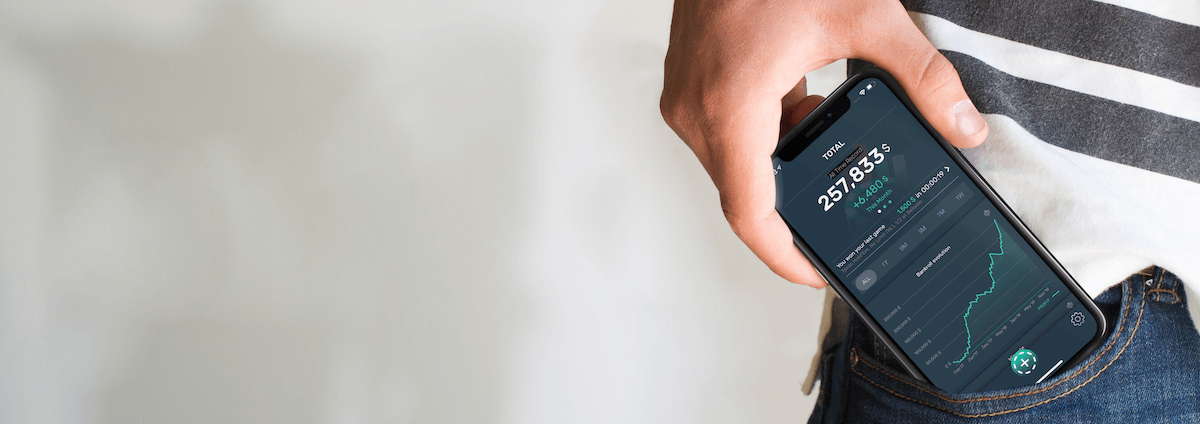
This is where tracking matters. If you are experimenting with PLO5, tag those sessions separately in Poker Stack. Keep live PLO5, online PLO5, NLHE, tournaments, and bomb pots separate. A combined bankroll graph hides the exact game type that is hurting you.
At minimum, track:
- Game type and number of cards.
- Buy-in depth.
- Whether the game was mostly heads-up, short-handed, or multi-way.
- Big pots where you stacked off with one pair or naked blockers.
If your biggest losing sessions all involve overplaying AAxxx in deep PLO5 games, the leak is no longer a theory. It is a line item.

Track your PLO5 results separately
Poker Stack lets you separate games, sessions, stakes, and locations so your bankroll graph shows what is actually working.

A quick AAxxx checklist
Before you pot, 3-bet, or call off with aces in PLO5, run through this checklist.
- Are the aces suited, preferably with a nut suit?
- Do the side cards connect to each other?
- Can the hand make nut straights or strong wraps?
- Will the hand play well multi-way?
- Are you in position?
- Are stacks shallow enough that raw equity matters more?
- Can you fold when the flop gives everyone else more texture than you?
If most answers are no, you do not have a premium hand. You have a pair of aces carrying three passengers.
Final thought
The best PLO5 adjustment for Hold'em players starts with emotion before math. Stop feeling entitled to win because you started with aces. In 5-card Omaha, aces are only part of the hand. The side cards decide whether you are building a pot or building a problem.
Dry AAxxx is playable sometimes, especially shallow or heads-up. Deep, multi-way, loose PLO5 games are different. In those games, connectivity becomes the price of entry. It is the difference between making the nuts and paying them off.
Related Poker Stack reading

Pot Limit Omaha vs. Texas Hold'em
A beginner transition guide for players moving from Hold'em into Omaha.
Everything you need to know about poker tracking
A guide to tracking sessions, bankroll movement, and the leaks that only show up in the data.