Poker history is not just a list of famous winners. The moments players remember usually changed something: who could play, how the game was shown on screen, which formats became popular, or how much pressure a bankroll could take.
Some stories are old table legends. Some came from television and movies. Others came from online poker, huge buy-ins, or a single hand that made new players believe they could sit down and compete.

The Dead Man's Hand
The Dead Man's Hand is usually described as two pair, aces and eights. The hand is tied to the story of Wild Bill Hickok, who was shot during a poker game in Deadwood in 1876.

The exact cards are debated, but the image stuck. It gave poker one of its oldest myths: a hand that feels unlucky before any chips move. For newer players, it is also a reminder that poker has always mixed math, risk, stories and table image.
Rounders makes poker feel serious
Rounders came out in 1998, before the online poker boom. It did not turn poker into a mainstream sport by itself, but it gave a generation of players a language for bankroll pressure, reads, underground games and Texas hold'em.
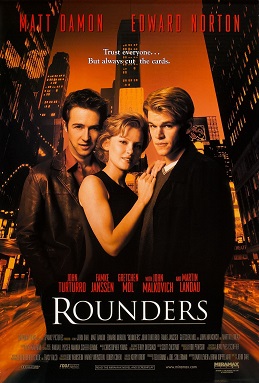
The film's most repeated line is still useful: if you cannot spot the weak player at the table, it might be you. The lesson is not to mock weaker players. It is to pay attention. Poker rewards observation, discipline and honest self-review.
The Moneymaker Effect
Chris Moneymaker won the 2003 World Series of Poker Main Event after qualifying through an online satellite. His win mattered because he was not presented as a polished poker professional. He looked like proof that a regular player could qualify online and win on the biggest stage.

That story helped fuel the poker boom. Online rooms grew, televised poker found a bigger audience, and more casual players started studying the game. The lesson for players today is simple: access changed poker. Better tools and bigger player pools create opportunity, but they also make bankroll discipline more important.
Phil Ivey and the modern poker idol
Phil Ivey became one of poker's most respected players because his reputation crossed formats. He was feared in tournaments, cash games and mixed games, and his quiet table presence made him stand out from louder television-era personalities.
.jpg)
Ivey's place in poker history is less about one hand than about consistency. He showed what a complete poker player can look like: patient, hard to read, technically strong and comfortable when the stakes are uncomfortable.

Download Poker Stack Now
"PokerStack is THE app you need to have as a live poker player."
Poker.com



The Big One for One Drop raises the ceiling
The Big One for One Drop changed poker by making the buy-in itself part of the story. The event launched with a $1 million entry fee and a charity component tied to the One Drop Foundation.
The tournament showed how poker had moved from smoky back rooms to global broadcasts, sponsorships and seven-figure final-table pressure. For regular players, the useful lesson is bankroll scale. Bigger games create bigger stories, but every player still needs limits that fit their own bankroll.
Phil Hellmuth turns table image into a brand
Phil Hellmuth became famous for winning, but also for the emotional scenes around his losses. His "Poker Brat" image made him one of the most recognizable players in televised poker.

Hellmuth's history is useful because it separates results from behavior. You can respect tournament success without copying table outbursts. Most players are better served by calm decisions, clear notes and tilt control.
What these moments teach regular players
Poker history keeps repeating one lesson: the game changes, but the pressure stays familiar. New formats appear. Media attention shifts. Online access grows or shrinks. Big wins make players dream. Bad bankroll habits still punish people.
If you play today, use the stories as reminders. Track your results. Study hands away from the table. Know whether you win in live games, online games, tournaments or cash. Poker legends are fun, but your own data tells you what to fix next.
Frequently asked questions
What is the Moneymaker Effect in poker?
The Moneymaker Effect refers to the poker boom that followed Chris Moneymaker's 2003 World Series of Poker Main Event win after qualifying online.
Why is Rounders important to poker history?
Rounders gave many casual viewers a memorable look at underground poker, bankroll pressure, table reading and Texas hold'em before the online poker boom.
Why do poker history moments matter to regular players?
Poker history shows how formats, player pools, media coverage and bankroll pressure changed over time. Those lessons help players understand the game they are playing today.
Related poker guides
The top poker players you need to know
Meet the players who shaped modern poker, from tournament legends to names every new fan sees again and again. more...
Daniel Negreanu: poker career and lessons
See how one of poker's most visible players built a career around reads, table talk, study and public pressure. more...
Read our blog