
Updated June 10, 2026.
People search for a professional poker player salary because the biggest names make poker look like a normal career with a giant paycheck. That is not how it works for most players.
Tournament stars such as Bryn Kenney and Daniel Negreanu have millions in recorded tournament cashes, but those numbers are not the same as profit. They do not subtract buy-ins, swaps, staking, travel, taxes, or losing sessions. For most pros, the better question is not salary. It is hourly win rate, volume, expenses, and bankroll risk.
How much do professional poker players make?
A realistic professional poker player income can range from a losing year to six figures. A good live cash-game player at $2/$5 no-limit hold'em might aim for about $50 to $70 per hour before expenses. A strong $5/$10 player might make $100 per hour or more, but the swings and bankroll requirements are much bigger.
Here is what those hourly rates can look like if a player averages 30 hours a week for 48 weeks. These are pre-tax examples, not guaranteed salaries.
| Hourly win rate | Weekly profit | Annual profit |
|---|---|---|
| $25/hour | $750 | $36,000 |
| $50/hour | $1,500 | $72,000 |
| $70/hour | $2,100 | $100,800 |
| $100/hour | $3,000 | $144,000 |
Those numbers are possible for winning players, but they are fragile. A player has to find good games, play enough hours, avoid tilt, handle downswings, and keep a proper bankroll. A few bad months can wipe out a year that looked good on paper.
Why poker salary numbers are so different

Salary sites do not agree on this job. For example, ZipRecruiter listed the average professional poker player salary in the United States at $27,959 a year on June 10, 2026, while Glassdoor showed a much higher average of about $126,000 a year from a small number of submitted salaries. Both numbers can be misleading, because poker income is not reported like a normal job.
A poker pro may have a great hourly win rate but play only 20 to 30 serious hours a week. Another player may report a big tournament score but keep only part of it after staking and swaps. A third player may look like a pro online but actually be losing after rakeback, travel, coaching, and taxes.
A better way to judge poker income is to track net profit over hundreds of sessions. That means wins minus losses, rake, tips, travel, software, training, taxes, and every other poker expense.
Do Poker Players Keep Everything They Win?
No, especially in tournaments. A player might cash for $500,000 and still keep much less than that. They may have sold pieces of their action, swapped percentages with other players, or entered several expensive events before finally making a score.
Cash-game players can also be backed. Someone might fund a player in exchange for a share of the profit. This reduces personal risk, but it also means the player keeps less when things go well.
Even when a player is fully self-funded, winnings are not take-home pay. There are taxes, tips, travel, hotel costs, food, coaching, software, and the constant need to keep money in the bankroll.

Download Poker Stack Now
"PokerStack is THE app you need to have as a live poker player."
Poker.com


Is it possible to make a living as a professional poker player?
Yes, but it is harder than the headline numbers make it look. The best poker players can make a living from the game, and some reach the highest stakes. Most players do not get there. Many are better off keeping a job and playing poker part time until their results prove they can handle full-time pressure.
Before going pro, a player should know their real hourly rate, sample size, bankroll needs, and monthly living costs. Guessing is dangerous. Poker has long stretches where a good player can lose money while making good decisions.

A serious player also needs a separate life roll. Your poker bankroll is for poker. Your rent, food, insurance, and emergency money should be separate. If you have to pull rent out of your poker bankroll every month, you will feel pressure in every pot.
This is where bankroll management matters. If you track every session, every stake, and every game type, you can see whether you are actually winning or just remembering the good nights.
Which poker players have earned the most?
The top tournament names can show up with career cashes worth tens of millions of dollars. Bryn Kenney, Justin Bonomo, Daniel Negreanu, Stephen Chidwick, and other elite players sit near the top of the all-time money lists.
Those numbers are useful for history, but they are a poor guide to the average pro's income. Tournament databases usually show gross cashes. They do not show the player's buy-ins, re-entries, sold action, swapped percentages, makeup, taxes, or cash-game results.
A player with $2 million in tournament cashes may have much less than $2 million in profit. A strong cash-game pro with no public results may quietly make a steady living for years.
How poker players make money outside the table

Some poker players make a meaningful part of their income away from the table. The most common extra income sources are sponsorships, coaching, training sites, staking, streaming, YouTube, writing, and affiliate deals.
Coaching can be especially valuable for players with a strong reputation. Poker coaching programs exist because improving at poker can have a real financial return for serious players.
Staking can also become a business. A winning player may sell action in tournaments or invest in other players. That can smooth variance, but it adds another layer of accounting. You need to know exactly what percentage of every result is yours.
Online poker can add volume, but it is also competitive. A player who beats a soft live $2/$5 game may not automatically beat online games at similar stakes.
Is becoming a professional poker player worth it?
It depends on how good at poker you are, how well you handle risk, and how honest you are with your records. The freedom can be real. So can the stress.
The smartest route for most players is to play semi-professionally first. Keep your job, track every session, build a real sample, and see whether your win rate survives over time. If you can beat your games while tired, bored, tilted, and running badly, then the idea becomes more serious.
If you are attracted by the possible income, start slowly. Try lower stakes, compare online and live poker, and track your results before you treat poker like a full-time job.
Professional poker player salary FAQ
How much do professional poker players make?
Many professional poker players have losing years. A solid live cash-game pro might make $50 to $100 per hour before taxes and expenses, which can mean roughly $72,000 to $144,000 a year at 30 hours per week for 48 weeks.
Do professional poker players get a salary?
Most professional poker players do not get a salary. Their income comes from winnings, sponsorships, coaching, content, staking deals, and sometimes online poker.
Do poker players keep all their winnings?
No. Tournament cashes are gross winnings. Players may need to subtract buy-ins, travel, taxes, coaching, swaps, staking shares, and other expenses.
How big should a poker bankroll be before going pro?
A full-time player should usually separate living expenses from poker bankroll and keep enough buy-ins to survive a long downswing. The exact number depends on game type, stakes, edge, and risk tolerance.
Popular Posts
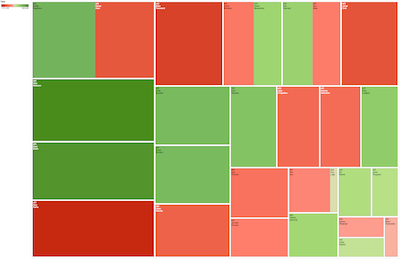
High Stakes Poker TV Show Statistics
Vizualise all the hands of the popular TV show High Stakes Poker. Visualize statistics like total tally, Vpip, PFR as well as the number of hands, per season and for all the seasons from your favorite poker players. more...
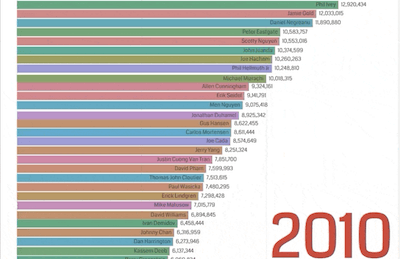
The Poker Money Race since 1971
Watch the top 100 of every year of each Money List since 1971 from The Hendon Mob and stacked them year after year to put them in a bar chart race. See some of the greatest rises and falls in poker history! more...
Read our blog